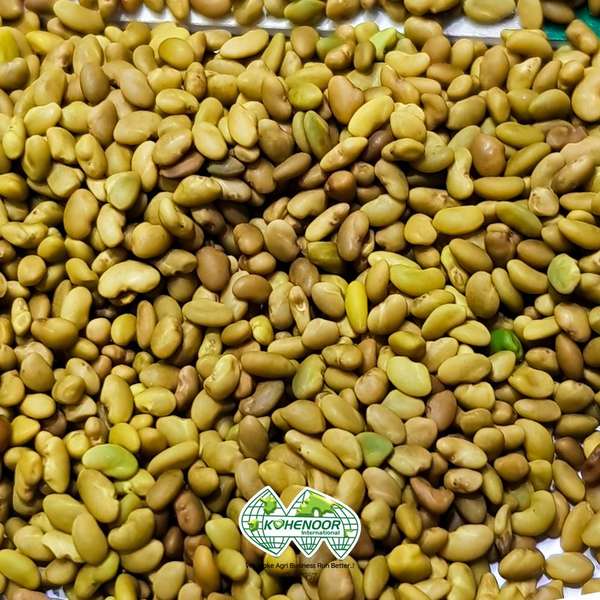
What Is Alfalfa?
Alfalfa (Medicago sativa), also known as lucerne in much of the world, is a perennial flowering legume that has earned the title "father of all foods" across agricultural traditions. The name itself comes from the Arabic al-fisfisa, meaning "fresh fodder," reflecting its ancient origins in the fertile lands of Central and South Asia, where it has been cultivated for over 3,000 years as the premier forage crop for livestock.
Today, alfalfa is the most widely grown forage legume on the planet, cultivated across more than 30 million hectares in over 80 countries. Its deep taproot system — reaching 4 to 6 metres underground in established stands — allows it to access moisture and minerals that shallow-rooted crops cannot, making it remarkably drought-tolerant once established. As a legume, alfalfa forms a symbiotic relationship with Rhizobium bacteria in root nodules, fixing atmospheric nitrogen directly into the soil and reducing the need for synthetic nitrogen fertilisers for subsequent crops.
What makes alfalfa seeds such a globally traded commodity is their dual-purpose value. On the agricultural side, alfalfa is the gold standard for dairy feed and forage — delivering the highest protein content of any common hay crop. On the consumer health side, alfalfa sprouts have become a staple of health-food markets worldwide, valued for their dense micronutrient profile and enzyme content. Whether you are a farmer planning a forage stand, a health enthusiast interested in home sprouting, or a seed buyer sourcing in bulk, this guide covers everything you need to know about alfalfa seeds.
Alfalfa Seed Varieties
Alfalfa varieties are broadly classified by their fall dormancy rating — a scale from 1 (most dormant) to 11 (non-dormant) — which determines how the plant responds to shortening daylight and dropping temperatures. Choosing the right variety for your climate is the single most important decision affecting stand longevity and yield.
Dormant Varieties (Ratings 1-4)
Dormant alfalfa varieties enter a winter rest period when daylight hours shorten and temperatures fall below approximately 5°C. During dormancy, top growth stops and energy is stored in the crown and roots. These varieties are bred for cold hardiness and are essential in temperate climates with harsh winters — such as northern Europe, Canada, and the northern United States. They typically yield 3-4 cuttings per growing season.
Semi-Dormant Varieties (Ratings 5-7)
Semi-dormant types offer a middle ground. They slow growth in autumn but do not go fully dormant, allowing an additional cutting compared to fully dormant types. These are popular in transitional climates like the Mediterranean basin, parts of Turkey, and the southern United States.
Non-Dormant Varieties (Ratings 8-11)
Non-dormant alfalfa varieties grow year-round without a winter rest period. In warm climates with adequate irrigation, they produce 6 to 8 cuttings per year, delivering significantly higher annual forage yields than dormant types. Non-dormant varieties are the standard in the Middle East, North Africa, South Asia, and other tropical to subtropical regions.
Kohenoor's Signature Alfalfa Varieties
KN92 is Kohenoor International's flagship non-dormant alfalfa seed, developed and selected for the warm-climate conditions found across the Middle East, East Africa, and South Asia. KN92 delivers exceptional germination rates (typically 90%+), rapid establishment, and high leaf-to-stem ratio for superior feed quality. Taiztar is Kohenoor's semi-dormant variety, suited to regions with mild winters, offering excellent disease resistance and proven performance across Pakistan, Central Asia, and Mediterranean-climate zones.
Growing Guide: How to Plant Alfalfa Seeds
Establishing a productive alfalfa stand begins well before the first seed hits the soil. Unlike many field crops, alfalfa is a perennial that will occupy the same ground for 3 to 7 years — so investing in proper site preparation pays dividends across every cutting for years to come.
Soil Preparation and pH
Alfalfa performs best in deep, well-drained soils with a pH between 6.5 and 7.5. It is highly sensitive to acidic conditions; pH below 6.0 severely limits Rhizobium nodulation and nitrogen fixation. Before planting, conduct a soil test. If pH correction is needed, apply agricultural lime at least 3 to 6 months before seeding to allow time for the lime to react with the soil. Heavy clay soils with poor drainage should be avoided, as alfalfa's deep taproot is highly susceptible to crown rot in waterlogged conditions.
Prepare a firm, fine seedbed by ploughing, discing, and then firming with a cultipacker or roller. The goal is a seedbed firm enough that you leave only shallow footprints when walking across it. Alfalfa seeds are small (approximately 200,000 seeds per pound), and they require good seed-to-soil contact to germinate. Planting into a loose, cloddy seedbed is the most common cause of poor stand establishment.
How Much Alfalfa Seed Per Acre?
The recommended seeding rate for alfalfa depends on the planting method and conditions:
- Drill seeding (recommended): 15-20 lbs (7-9 kg) per acre, placed at a depth of 6-12 mm (1/4 to 1/2 inch)
- Broadcast seeding: 20-25 lbs (9-12 kg) per acre, followed by light harrowing or rolling to ensure soil contact
- Irrigated, high-input systems: 25-30 lbs (12-14 kg) per acre for rapid canopy closure and weed suppression
Drill seeding is strongly preferred because it places the seed at a uniform, shallow depth with direct soil contact. Broadcasting is acceptable but requires a 15-20% higher seeding rate to compensate for less consistent seed placement. Regardless of method, avoid planting deeper than 12 mm — alfalfa seedlings have limited energy to push through deep soil cover.
Inoculation
If alfalfa has not been grown on the field within the past 3-5 years, inoculate the seed with the correct Rhizobium meliloti (now classified as Sinorhizobium meliloti) bacteria before planting. Inoculation ensures effective nitrogen fixation from the earliest stages of growth. Pre-inoculated seed is available from most commercial suppliers, including Kohenoor International, or you can apply granular or peat-based inoculant at planting time.
Planting Time
In temperate regions, spring planting (after the last frost) or late-summer planting (6-8 weeks before the first expected frost) both work well. In warm climates where non-dormant varieties like KN92 are used, alfalfa can be planted in early autumn (October-November) to take advantage of cooler establishment conditions, with first cutting typically available within 60-70 days.
Irrigation and Water Needs
Alfalfa requires approximately 700-800 mm (28-32 inches) of water per growing season to reach full yield potential. In arid and semi-arid regions, supplemental irrigation is essential. Flood irrigation, furrow irrigation, centre-pivot, and drip systems all work, though flood and furrow remain the most common methods globally for alfalfa. Avoid prolonged standing water, which promotes crown rot and Phytophthora root rot.
Harvest Timing and Cutting Schedule
The ideal harvest stage for alfalfa is at 10% bloom (when approximately 10% of plants show open flowers), or alternatively when new basal shoots are 3-5 cm tall. Cutting at this stage balances forage quality with yield and stand persistence. Cutting too early reduces yield and depletes root reserves. Cutting too late increases fibre content and reduces protein and digestibility.
In warm-climate irrigated systems, non-dormant varieties can be cut every 28-35 days, yielding 6-8 cuttings per year with total annual yields of 15-25 metric tons of green forage per hectare (6-10 tons dry matter per hectare).
Nutritional Profile of Alfalfa
Alfalfa is nutritionally remarkable in both its seed and sprout forms, though the two serve very different markets and applications.
Alfalfa Seeds (Dry)
| Nutrient | Per 100g | % Daily Value* |
|---|---|---|
| Calories | 332 kcal | 17% |
| Protein | 36.0 g | 72% |
| Total Fat | 9.7 g | 12% |
| Carbohydrates | 40.0 g | 13% |
| Dietary Fibre | 9.8 g | 35% |
| Calcium | 232 mg | 18% |
| Iron | 5.3 mg | 29% |
| Magnesium | 44 mg | 10% |
| Phosphorus | 70 mg | 6% |
| Potassium | 79 mg | 2% |
| Vitamin C | 8.2 mg | 9% |
| Vitamin K | 30.5 mcg | 25% |
*Based on a 2,000 calorie diet.
Alfalfa Sprouts
| Nutrient | Per 100g (Raw Sprouts) | % Daily Value* |
|---|---|---|
| Calories | 23 kcal | 1% |
| Protein | 3.99 g | 8% |
| Total Fat | 0.69 g | 1% |
| Carbohydrates | 2.10 g | 1% |
| Dietary Fibre | 1.9 g | 7% |
| Vitamin K | 30.5 mcg | 25% |
| Vitamin C | 8.2 mg | 9% |
| Folate | 36 mcg | 9% |
| Manganese | 0.19 mg | 8% |
| Copper | 0.16 mg | 8% |
*Based on a 2,000 calorie diet.
How to Sprout Alfalfa Seeds at Home
Sprouting alfalfa seeds at home is one of the simplest and most rewarding food-growing activities you can do in your kitchen. No garden, no soil, and no special equipment required — just alfalfa seeds for sprouting, a jar, water, and a few days of patience.
What You Need
- 2 tablespoons of sprouting-grade alfalfa sprouts seeds (food-safe, untreated)
- A wide-mouth glass jar (1 litre / 1 quart) with a mesh or cheesecloth lid
- Clean, cool water
Step-by-Step Sprouting Process
- Soak: Place 2 tablespoons of alfalfa seeds in the jar and cover with 3-4 times their volume in cool water. Soak for 8-12 hours (overnight works well).
- Drain: After soaking, drain all water through the mesh lid. Shake gently to remove excess moisture. Set the jar at an angle, mouth-side down, in a bowl or rack to allow air circulation.
- Rinse and drain (2x daily): Twice a day — morning and evening — fill the jar with fresh cool water, swirl gently, and drain thoroughly. Incomplete draining is the leading cause of mould during sprouting.
- Watch them grow (days 2-5): Keep the jar in a dark or dimly lit area at room temperature (18-22°C). By day 2, you will see tiny white tails emerging. By day 4-5, the sprouts will be 3-5 cm long.
- Green them up (day 5-6): Once sprouts reach 3-5 cm, move the jar to a spot with indirect sunlight for 1-2 days. The small leaves will develop chlorophyll and turn bright green, which also increases their vitamin content.
- Final rinse and store: Give the sprouts a final thorough rinse, drain completely, and transfer to a container lined with a paper towel. Refrigerate and consume within 5-7 days.
Sprouting Safety Note
Always use seeds specifically labelled for sprouting. Sprouting-grade alfalfa seeds are tested for pathogen contamination (E. coli, Salmonella) that can thrive in the warm, moist sprouting environment. Never sprout seeds that have been treated with fungicides or are intended solely for field planting. Kohenoor International offers sprouting-grade alfalfa seeds tested and certified for food safety.
Alfalfa as Dairy Feed and Forage Crop
Alfalfa is the backbone of dairy nutrition in every major milk-producing region of the world. No other forage crop matches its combination of high protein, digestible fibre, and mineral content — the three pillars of productive dairy rations.
Protein Content and Quality
Well-managed alfalfa hay typically contains 18-22% crude protein (on a dry matter basis) when harvested at the pre-bloom to early bloom stage. This is roughly double the protein content of grass hays like Timothy or Bermuda grass. More importantly, approximately 60-70% of alfalfa's protein is rumen-degradable, meaning it provides the nitrogen source that rumen microbes need to synthesize microbial protein — the most efficient pathway for milk production.
Digestibility and Feed Efficiency
High-quality alfalfa hay has a Relative Feed Value (RFV) of 150-185, placing it in the supreme to premium quality categories. RFV is the industry-standard metric that combines neutral detergent fibre (NDF) and acid detergent fibre (ADF) into a single digestibility index. For context, an RFV of 100 represents average grass hay; dairy nutritionists typically target RFV above 150 for lactating dairy cows.
Yield Per Acre
In irrigated systems with non-dormant varieties, annual yields range from 6-10 metric tons of dry matter per hectare (2.5-4 tons per acre). In rain-fed systems with dormant varieties, yields are typically 4-7 metric tons per hectare. The economic yield advantage of alfalfa over most grass forages — combined with its nitrogen-fixing properties that reduce fertiliser costs — makes it one of the highest-value forage crops on a cost-per-ton-of-protein basis.
In the GCC region alone, alfalfa import demand exceeds 5 million metric tons annually, driven by rapidly expanding dairy and livestock sectors in Saudi Arabia, the UAE, and Oman. Pakistani alfalfa seed — particularly non-dormant varieties — has become the preferred origin for many GCC forage operations.
Health Benefits of Alfalfa Sprouts
Beyond their role as livestock forage, alfalfa sprouts have become a fixture of health-food markets across North America, Europe, and East Asia. Their appeal rests on a genuinely impressive nutritional density relative to their low calorie count.
Rich in Vitamins and Minerals
Alfalfa sprouts are notably rich in vitamin K (important for blood clotting and bone metabolism), vitamin C (immune function and antioxidant defence), and folate (essential during pregnancy for neural tube development). They also provide meaningful amounts of manganese, copper, and B vitamins. For just 23 calories per 100g, that is a remarkably nutrient-dense food.
Phytonutrient Content
Alfalfa sprouts contain bioactive compounds including saponins (which may support healthy cholesterol metabolism), phytoestrogens (plant compounds structurally similar to oestrogen), and a range of antioxidant flavonoids. Some preliminary research has explored alfalfa's potential role in supporting healthy blood lipid profiles, though more clinical evidence is needed before definitive health claims can be made.
Enzyme and Fibre Content
The sprouting process activates enzymes that break down complex storage compounds in the seed, making the nutrients more bioavailable. Sprouts also provide dietary fibre (1.9g per 100g) that supports digestive health. The high water content (91%) and low calorie density make alfalfa sprouts an excellent addition to salads, sandwiches, wraps, and grain bowls for anyone seeking to increase nutrient intake without adding significant calories.
Quality Specifications for Alfalfa Seed Buyers
Whether you are purchasing alfalfa seeds for large-scale forage production or for the sprouting market, understanding the key quality parameters is essential. The following table outlines the standard specifications that professional buyers should evaluate:
| Parameter | Premium Grade | Standard Grade |
|---|---|---|
| Germination Rate | ≥ 90% | ≥ 85% |
| Physical Purity | ≥ 99.5% | ≥ 99% |
| Hard Seed / Dormancy | ≤ 10% | ≤ 15% |
| Moisture Content | ≤ 10% | ≤ 12% |
| Weed Seeds | ≤ 0.1% | ≤ 0.3% |
| Inert Matter | ≤ 0.5% | ≤ 1.0% |
| Other Crop Seeds | ≤ 0.2% | ≤ 0.5% |
| Noxious Weed Seeds | 0 (zero tolerance) | 0 (zero tolerance) |
| Seed Count | ~440,000 per kg | ~440,000 per kg |
| Packaging | PP bags, 25/50 kg | PP bags, 25/50 kg |
Understanding Hard Seed (Dormancy)
Hard seed percentage refers to seeds with an impermeable seed coat that prevents immediate water uptake and germination. While hard seeds are technically viable, they will not germinate in standard laboratory tests. In the field, hard seeds break dormancy gradually over months as the seed coat weathers, providing a natural "seed bank" that fills gaps in the stand over time. For sprouting applications, low hard-seed percentages (below 5%) are preferred. For forage planting, moderate hard-seed levels (10-15%) are acceptable and can actually benefit long-term stand density. Scarification — a mechanical or chemical process — can break dormancy before planting if rapid, uniform emergence is desired.
Why Pakistani Alfalfa Seeds Are Preferred Globally
Pakistan has emerged as one of the world's leading origins for high-quality alfalfa seed, particularly for warm-climate and non-dormant varieties destined for the Middle East, East Africa, and South and Southeast Asia. Several factors drive this preference:
- Ideal seed production climate: The Sindh and Punjab regions of Pakistan provide the warm, dry harvest conditions essential for producing high-germination alfalfa seed. Seed crops harvested in consistently dry weather avoid the quality deterioration caused by rain at harvest — a common problem in more humid production zones.
- Decades of varietal selection: Pakistani breeders and exporters have spent decades selecting alfalfa varieties specifically adapted to the hot, irrigated conditions that dominate buyer markets in the GCC, North Africa, and the Indian subcontinent. KN92, for example, has been field-tested and proven across Saudi Arabia, the UAE, Egypt, Sudan, and Kenya.
- Competitive pricing: Pakistani alfalfa seed is typically 20-30% more cost-effective than comparable US, Australian, or European origin seed, without sacrificing germination or purity — a critical factor for buyers purchasing in multi-ton volumes.
- Established export logistics: Karachi port provides cost-effective shipping access to the GCC (transit time 3-5 days), East Africa (7-10 days), and Southeast Asia (10-14 days). Kohenoor International offers FOB Karachi, CIF, and CFR shipping terms across all major trade routes.
- Seed health and certification: Leading Pakistani exporters provide ISTA (International Seed Testing Association) compliant test reports, phytosanitary certificates, and certificates of analysis (COA) with every shipment, meeting the import requirements of virtually all destination countries.
Kohenoor International: Alfalfa Seed Specialists Since 1957
Kohenoor International operates alfalfaseeds.org as a dedicated platform for its alfalfa seed business, reflecting the crop's central importance within the company's product portfolio. With nearly seven decades of continuous export experience, Kohenoor has supplied alfalfa seed to farms, seed distributors, and government agricultural agencies across more than 70 countries. Every lot of KN92 and Taiztar seed is tested in-house and through independent ISTA-accredited laboratories before shipment, with germination, purity, and moisture data documented on the accompanying COA.
Source Premium Alfalfa Seeds from Pakistan
Kohenoor International is Pakistan's trusted alfalfa seeds supplier since 1957. KN92 and Taiztar varieties. ISO 9001 certified, ISTA-compliant testing, COA with every shipment. MOQ starts at 1 MT. FOB Karachi, CIF, and CFR terms available.
Request a Quote →Frequently Asked Questions About Alfalfa Seeds
How much alfalfa seed per acre do I need?
The standard recommendation is 15-25 pounds (7-12 kg) per acre for drill seeding, and 20-30 pounds per acre for broadcast seeding. The exact rate depends on your planting method, soil conditions, and whether the field is irrigated. Higher seeding rates help compensate for challenging germination conditions such as heavy soils, sub-optimal pH, or broadcast planting. Always use seed with at least 85% germination to ensure adequate plant population.
How to sprout alfalfa seeds at home?
Soak 2 tablespoons of sprouting-grade alfalfa seeds in cool water for 8-12 hours. Drain and place in a sprouting jar, rinsing and draining twice daily for 4-6 days at room temperature (18-22°C). Once sprouts are 3-5 cm long, expose them to indirect sunlight for 1-2 days to green up the leaves. Final rinse, drain, and refrigerate. Full step-by-step instructions are provided in our sprouting section above.
Where can I buy alfalfa seeds in bulk?
For bulk alfalfa seed purchases (1 metric ton and above), source directly from certified agricultural exporters. Key criteria include germination rate above 85%, purity above 99%, documented dormancy percentage, and valid phytosanitary certification. Kohenoor International exports KN92 and Taiztar varieties from Karachi with full documentation and flexible shipping terms.
What soil pH does alfalfa need?
Alfalfa performs best in soil with a pH between 6.5 and 7.5. Below pH 6.0, nodulation and nitrogen fixation are severely impaired, stunting growth and reducing stand longevity. Lime application should be done 3-6 months before planting if soil pH needs correction. A soil test is essential before establishing any alfalfa stand.
What is the difference between dormant and non-dormant alfalfa seed?
Dormant varieties (fall dormancy ratings 1-4) enter winter rest, are cold-hardy, and suit temperate climates with harsh winters. Non-dormant varieties (ratings 8-11) grow year-round, produce 6-8 cuttings annually, and suit warm climates without severe winters. Semi-dormant types (ratings 5-7) fall in between. For the Middle East, Africa, and South Asia, non-dormant varieties like Kohenoor's KN92 are the standard choice.