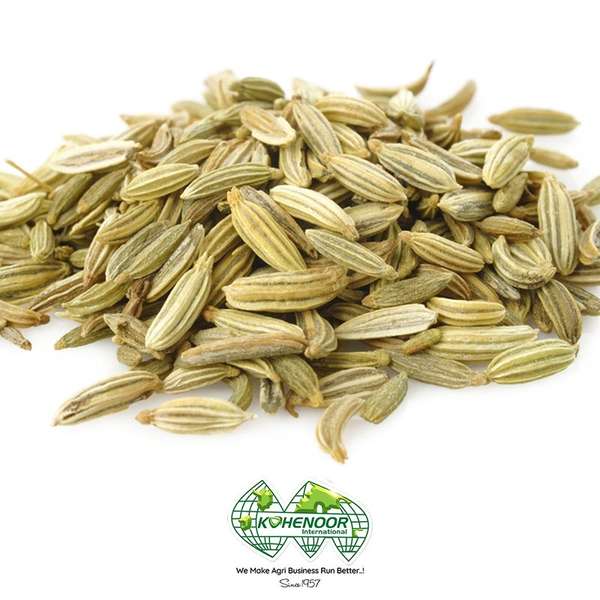
What Are Fennel Seeds?
Fennel seeds are the dried fruit of the Foeniculum vulgare plant, a flowering member of the carrot family (Apiaceae). Known as saunf in Urdu and Hindi, fennel seeds have been valued across civilizations for thousands of years — as a culinary spice, a traditional medicine, and a fragrant botanical ingredient. They are oval-shaped, greenish-brown, and possess a distinctive sweet, anise-like aroma that makes them one of the most versatile spices in the world.
Pakistan is among the leading global producers and exporters of fennel seeds, with prime growing regions in Sindh, Balochistan, and southern Punjab. The warm, semi-arid climate and alluvial soils of these regions produce fennel seeds with exceptionally high volatile oil content — a key marker of quality that international buyers prioritize.
Fennel Seed Varieties: Sweet vs Bitter
There are two primary types of fennel seeds traded on the global market, each with distinct characteristics and preferred applications:
Sweet Fennel (Foeniculum vulgare var. dulce)
Sweet fennel is the variety most commonly used in cooking and as a mouth freshener. It has a mild, pleasant anise-like flavour with subtle sweetness. The seeds tend to be plumper and lighter in colour. Sweet fennel is the preferred variety for culinary spice blends, herbal teas, confectionery, and the traditional after-dinner mouth freshener served across South Asia and the Middle East.
Bitter Fennel (Foeniculum vulgare var. vulgare)
Bitter fennel has a stronger, more pungent flavour with higher concentrations of essential oils — particularly fenchone and camphor-like compounds. This variety is primarily used in medicinal preparations, essential oil production, and pharmaceutical applications. Bitter fennel essential oil is widely used in aromatherapy and as a raw material in the flavour and fragrance industry.
Key Quality Differentiator
Premium fennel seeds are judged primarily by their volatile oil content. Top-grade Pakistani fennel typically contains 2-6% volatile oil, with trans-anethole comprising 50-80% of that oil. Higher oil content means stronger aroma, better flavour, and greater commercial value. Always request a Certificate of Analysis (COA) specifying volatile oil percentage when sourcing in bulk.
Health Benefits of Fennel Seeds
Fennel seeds have been used in traditional medicine systems — including Ayurveda, Unani, and traditional Chinese medicine — for centuries. Modern scientific research has begun to validate many of these traditional uses:
Digestive Health
Fennel seeds are perhaps best known for their digestive benefits. The volatile oils, particularly anethole, stimulate digestive secretions, reduce gas formation, and relax smooth muscle in the gastrointestinal tract. This is why fennel tea is a time-tested remedy for bloating, indigestion, and abdominal discomfort. Many cultures traditionally chew fennel seeds after meals specifically for this purpose.
Anti-inflammatory and Antioxidant Properties
The phenolic compounds and flavonoids in fennel seeds — including rosmarinic acid, chlorogenic acid, quercetin, and apigenin — exhibit significant antioxidant activity. These compounds help neutralize free radicals and may reduce oxidative stress associated with chronic inflammation.
Respiratory Support
Fennel seed extracts have expectorant properties that help clear mucus from the respiratory tract. Anethole and fenchone contribute to this effect. Traditional preparations of fennel seed tea or steam inhalation with fennel oil are widely used for cough relief and upper respiratory congestion in South Asian and Middle Eastern folk medicine.
Blood Sugar Regulation
Preliminary research suggests that fennel seed extract may support healthy blood sugar management. The high fibre content (nearly 40g per 100g) also contributes to slower glucose absorption. However, this area requires more clinical study before definitive claims can be made.
Bone and Mineral Health
Fennel seeds are exceptionally mineral-dense. A 100g serving provides significant amounts of calcium (1196mg), magnesium (385mg), phosphorus, manganese, and iron — all essential minerals for maintaining healthy bone density and overall mineral balance.
Nutritional Profile of Fennel Seeds
| Nutrient | Per 100g | % Daily Value* |
|---|---|---|
| Calories | 345 kcal | 17% |
| Protein | 15.8 g | 32% |
| Total Fat | 14.9 g | 19% |
| Carbohydrates | 52.3 g | 17% |
| Dietary Fibre | 39.8 g | 142% |
| Calcium | 1196 mg | 92% |
| Iron | 18.5 mg | 103% |
| Magnesium | 385 mg | 92% |
| Potassium | 1694 mg | 36% |
| Vitamin C | 21 mg | 23% |
| Volatile Oil Content | 2-6% | — |
*Based on a 2,000 calorie diet. Actual consumption is typically 5-15g per serving.
Culinary Uses of Fennel Seeds
Fennel seeds are one of the most widely used spices globally, featuring prominently in cuisines from South Asia to the Mediterranean:
Indian and South Asian Cuisine
Fennel seeds are a foundational spice in Indian cooking. They form one of the five spices in panch phoron (Bengali five-spice mix), appear in many garam masala blends, and are used in everything from dal tadka and biryanis to pickles and chutneys. Dry-roasting the seeds before grinding releases their aromatic oils and deepens the flavour. After meals, sugar-coated fennel seeds (mukhwas) serve as a natural mouth freshener and digestive aid.
Mediterranean and European Cuisine
Italian cuisine relies heavily on fennel seeds — they are a signature flavouring in Italian sausages (finocchiona), appear in bread recipes, and complement tomato-based pasta sauces. French and Greek cuisines use fennel seeds in fish preparations, where the anise notes pair beautifully with seafood. Fennel seed-infused olive oil is a popular condiment across the Mediterranean.
Middle Eastern and North African Cuisine
In the Arab world and North Africa, fennel seeds feature in spice blends for stews, tagines, and baked goods. They are also brewed as a soothing herbal tea, often combined with anise and cumin seeds. The GCC countries — particularly the UAE and Saudi Arabia — are significant importers of fennel seeds from Pakistan.
Beverages and Teas
Fennel seed tea is one of the world's most consumed herbal infusions. Simply steeping crushed fennel seeds in hot water for 5-10 minutes produces a naturally sweet, aromatic tea valued for both its flavour and digestive properties. Commercially, fennel seeds are used as a flavouring agent in liqueurs (such as absinthe and sambuca), non-alcoholic beverages, and health drink formulations.
Fennel Seeds in Traditional Medicine
Beyond nutrition and cooking, fennel seeds hold a distinguished place in traditional medicine systems worldwide. In Ayurveda, fennel is classified as a tridoshic herb — balancing all three doshas (Vata, Pitta, Kapha) — and is recommended for digestive disorders, eye health, and respiratory conditions. In Unani medicine, fennel seed formulations treat flatulence, colic, and kidney complaints. Chinese Traditional Medicine uses fennel (xiao hui xiang) to warm the kidneys and dispel cold.
Fennel seeds have been documented in Egyptian papyri dating to 1500 BCE and were used by Roman soldiers as an appetite suppressant on long marches. The name "marathon" itself derives from the Greek word for fennel, as the famous battlefield of Marathon was reportedly covered in fennel plants.
Quality Parameters for Bulk Fennel Seeds
When sourcing fennel seeds for commercial use — whether for food manufacturing, spice blending, essential oil extraction, or retail packaging — these are the key quality specifications to evaluate:
| Parameter | Premium Grade | Standard Grade |
|---|---|---|
| Volatile Oil Content | ≥ 3.0% | ≥ 2.0% |
| Moisture | ≤ 9% | ≤ 10% |
| Purity | ≥ 99.5% | ≥ 99% |
| Foreign Matter | ≤ 0.5% | ≤ 1.0% |
| Aflatoxin (B1) | ≤ 5 ppb | ≤ 10 ppb (EU limit) |
| Salmonella | Absent in 25g | Absent in 25g |
| Colour | Bright green-yellow | Green-brown |
| Packaging | PP bags, 25/50 kg | Jute bags, 50 kg |
Why Pakistani Fennel Seeds Stand Out
Pakistan ranks among the top fennel-producing countries globally, alongside India, Egypt, China, and Turkey. Several factors give Pakistani fennel a competitive edge in the international market:
- Climate advantage: The semi-arid conditions of Sindh and Balochistan, combined with long growing seasons and ample sunshine, produce fennel with concentrated essential oil profiles.
- Soil quality: Alluvial and sandy loam soils in the primary growing zones provide excellent drainage and mineral content for fennel cultivation.
- Competitive pricing: Pakistani fennel is typically 15-25% more competitively priced than Indian origin for comparable quality grades, making it attractive for high-volume buyers.
- Established export infrastructure: Pakistan's position on major shipping lanes means FOB Karachi rates to the GCC, East Africa, and Southeast Asia are highly competitive.
Source Premium Fennel Seeds from Pakistan
Kohenoor International has exported fennel seeds to 70+ countries since 1957. ISO 9001 certified, HACCP compliant, with COA on every shipment. MOQ starts at 1 MT.
Request a Quote →How to Store Fennel Seeds
Proper storage is essential to preserving the volatile oils that give fennel seeds their aroma, flavour, and commercial value. Whole fennel seeds should be stored in airtight containers in a cool, dry, dark place — ideally below 25°C and 60% relative humidity. Under these conditions, whole seeds retain their quality for 2-3 years. Ground fennel loses potency much faster (within 6 months), which is why most commercial buyers prefer to purchase whole seeds and grind them closer to the point of use.
Frequently Asked Questions About Fennel Seeds
Can fennel seeds be eaten raw?
Yes. Raw fennel seeds are commonly chewed after meals as a mouth freshener and digestive aid. They can also be added raw to salads and yogurt preparations for a mild anise flavour.
Are fennel seeds and anise seeds the same?
No. While they share a similar flavour profile due to the compound anethole present in both, fennel seeds (Foeniculum vulgare) and anise seeds (Pimpinella anisum) come from different plant species. Fennel seeds are slightly larger, more elongated, and milder in taste compared to anise.
What is the best way to brew fennel seed tea?
Lightly crush 1-2 teaspoons of fennel seeds using a mortar and pestle to release the oils. Steep in 250ml of freshly boiled water for 5-10 minutes, then strain. Add honey or lemon if desired. For a stronger brew, gently simmer the seeds for 3-5 minutes rather than simply steeping.