What Are Fenugreek Seeds?
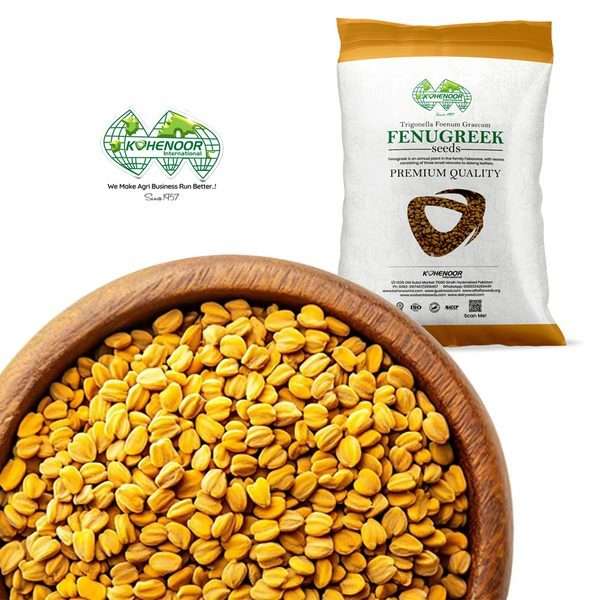
Fenugreek seeds are the small, hard, golden-brown seeds of Trigonella foenum-graecum, an annual plant belonging to the legume family (Fabaceae). Known as methi seeds in Urdu, Hindi, and across South Asia, fenugreek has been cultivated for over 6,000 years and remains one of the oldest medicinal plants documented in human history. The seeds are roughly rhomboid in shape, about 3-5mm long, and possess a distinctive bitter-sweet flavour with a strong maple-like aroma when heated.
The plant itself is native to the Mediterranean region and western Asia, but today Pakistan, India, Egypt, Morocco, and Ethiopia are the primary commercial producers. In Pakistan, fenugreek thrives in the irrigated plains of Punjab and Sindh, where the continental climate with warm winters and fertile alluvial soils produces seeds with robust nutritional and phytochemical profiles. The country exports significant volumes of fenugreek seeds annually, supplying spice manufacturers, pharmaceutical companies, and food processors across the GCC, Southeast Asia, Europe, and Africa.
Beyond the seeds, every part of the fenugreek plant serves a purpose. The fresh green leaves (methi saag) are a staple vegetable in South Asian kitchens. Dried leaves (kasuri methi) are a prized finishing herb. The seeds are used whole, ground into powder, or processed into extracts for supplements. This remarkable versatility explains why fenugreek has maintained its commercial and cultural importance across millennia.
Nutritional Profile of Fenugreek Seeds
Fenugreek seeds are nutrient-dense, packing substantial protein, fibre, minerals, and bioactive compounds into a small package. The following table summarises the key nutritional values per 100g of whole, dried fenugreek seeds based on USDA reference data:
| Nutrient | Per 100g | % Daily Value* |
|---|---|---|
| Calories | 323 kcal | 16% |
| Protein | 23.0 g | 46% |
| Total Fat | 6.4 g | 8% |
| Carbohydrates | 58.4 g | 19% |
| Dietary Fibre | 24.6 g | 88% |
| Iron | 33.5 mg | 186% |
| Magnesium | 191 mg | 45% |
| Manganese | 1.2 mg | 53% |
| Phosphorus | 296 mg | 24% |
| Copper | 1.1 mg | 122% |
| Vitamin B6 | 0.6 mg | 35% |
| Folate | 57 mcg | 14% |
*Based on a 2,000 calorie diet. Typical culinary consumption is 5-15g per serving.
Several nutritional characteristics make fenugreek seeds stand out among spices. Their protein content (23%) is exceptionally high for a seed-spice, comparable to many pulses. The iron content (33.5mg per 100g) is among the highest of any commonly consumed food. The soluble fibre fraction is dominated by galactomannan, a mucilaginous polysaccharide that forms a gel-like substance when hydrated — this compound is central to many of fenugreek's health benefits, particularly its effects on blood sugar and cholesterol.
Key Bioactive Compounds
Beyond basic nutrition, fenugreek seeds contain several pharmacologically active compounds: trigonelline (an alkaloid with hypoglycaemic effects), 4-hydroxyisoleucine (a unique amino acid that stimulates insulin secretion), diosgenin (a steroidal sapogenin used as a precursor in pharmaceutical synthesis), and protodioscin (linked to testosterone support). These compounds are the basis for fenugreek's extensive use in traditional and modern medicine.
Health Benefits of Fenugreek Seeds
Fenugreek seeds are among the most extensively studied spice-medicines in the world. Research spanning decades has identified several well-supported health benefits, many of which align with traditional medicinal uses documented over thousands of years.
Blood Sugar Management
The most robust body of evidence for fenugreek seeds benefits relates to blood sugar regulation. The soluble fibre galactomannan slows the rate of carbohydrate digestion and glucose absorption in the intestines, reducing post-meal blood sugar spikes. Meanwhile, the amino acid 4-hydroxyisoleucine — found almost exclusively in fenugreek — directly stimulates insulin-producing beta cells in the pancreas. Multiple clinical trials have demonstrated that daily consumption of 5-50g of fenugreek seed powder can reduce fasting blood glucose levels in individuals with type 2 diabetes. The effect is dose-dependent and typically becomes evident after several weeks of consistent use.
It is important to note that while fenugreek may complement conventional diabetes management, it is not a replacement for prescribed medication. Individuals taking diabetes drugs should consult their healthcare provider before adding fenugreek supplements, as combined use may cause hypoglycaemia.
Lactation Support
Fenugreek is one of the most widely used herbal galactagogues — substances that promote breast milk production. This use dates back centuries in Ayurvedic, Unani, and Middle Eastern traditional medicine. Several small clinical studies have reported increased breast milk volume in nursing mothers who consumed fenugreek seed tea or capsules. The mechanism is not fully understood, but researchers hypothesise that diosgenin and other phytoestrogens in fenugreek may stimulate prolactin-related pathways. Fenugreek tea for lactation is commonly recommended by midwives and lactation consultants in many countries, though more large-scale research is needed to establish optimal dosing.
Testosterone and Male Reproductive Health
A growing body of research suggests that fenugreek seed extract may support healthy testosterone levels in men. The steroidal saponins — particularly protodioscin and furostanol glycosides — appear to inhibit enzymes that convert testosterone to oestrogen (aromatase) and dihydrotestosterone (5-alpha reductase). Several randomised controlled trials have reported modest improvements in free testosterone levels, strength, and body composition in men supplementing with standardised fenugreek extract (typically 500-600mg daily). These findings have made fenugreek a popular ingredient in natural testosterone support and sports nutrition products.
Cholesterol Reduction
The galactomannan fibre in fenugreek seeds binds to bile acids in the digestive tract, promoting their excretion and forcing the liver to use circulating cholesterol to synthesize replacement bile acids. This mechanism effectively lowers total and LDL cholesterol. The steroidal saponin diosgenin also contributes to cholesterol reduction through separate metabolic pathways. Several studies have reported reductions of 15-33% in LDL cholesterol with regular fenugreek consumption, though results vary based on dosage and study population.
Digestive Health
Fenugreek seeds have a long history of use for digestive complaints. The mucilaginous fibre soothes the gastrointestinal lining and helps relieve heartburn and acid reflux by forming a protective gel layer in the stomach. The seeds also act as a mild laxative due to their high fibre content, promoting regular bowel movements. In traditional South Asian and Middle Eastern medicine, fenugreek seed water (prepared by soaking seeds overnight and drinking the infused water in the morning) is a common remedy for constipation and digestive sluggishness.
Anti-inflammatory Properties
Fenugreek seeds contain flavonoids, alkaloids, and saponins that exhibit anti-inflammatory activity. Diosgenin in particular has been shown to suppress inflammatory markers including TNF-alpha, IL-6, and NF-kB in laboratory studies. These properties may contribute to fenugreek's traditional use for joint pain, skin conditions, and inflammatory respiratory complaints. While animal and in vitro studies are promising, more human clinical trials are needed to quantify the anti-inflammatory benefit at typical dietary doses.
Culinary Uses of Fenugreek Seeds
Fenugreek seeds are a cornerstone spice in many of the world's most flavourful cuisines. Their distinctive bitter-sweet, slightly nutty flavour with prominent maple and caramel notes makes them irreplaceable in certain dishes. The key to using fenugreek seeds in cooking is careful handling — a light dry-roast or brief frying in oil transforms the raw bitterness into a rich, complex flavour.
Indian and South Asian Cuisine
In Indian cooking, fenugreek seeds (methi dana) are fundamental. They are one of the five spices in panch phoron, the Bengali five-spice blend used as a tempering (tadka) in dal, fish curries, and vegetable preparations. Fenugreek seeds are dry-roasted and ground for spice blends, added whole to pickles (achar), and form the backbone of many regional curry powders. In South Indian cuisine, fenugreek seeds are essential in sambar powder and are soaked and ground into dosa and idli batters to aid fermentation.
Fresh fenugreek leaves (methi saag) are prepared as a standalone vegetable or combined with potatoes in the beloved aloo methi. Dried fenugreek leaves (kasuri methi) are crushed and stirred into butter chicken, dal makhani, and paneer dishes as a finishing herb that imparts an earthy, aromatic depth. Methi paratha — flatbread stuffed with fresh fenugreek leaves, spices, and sometimes paneer — is a breakfast staple across North India and Pakistan.
Middle Eastern Cuisine
Fenugreek holds an important place in Middle Eastern cooking. In Yemen, hilbeh is a traditional condiment made from whipped fenugreek paste, served alongside soups and bread. Egyptian cuisine uses fenugreek seeds in the spiced bread called eish merahrah, and fenugreek tea (helba) is consumed for both flavour and its warming, restorative properties. Across the Levant, fenugreek appears in spice mixes for meat dishes and is sometimes sprouted and added to salads.
Ethiopian and East African Cuisine
Ethiopian cuisine features fenugreek in berbere, the complex spice blend that defines Ethiopian cooking. It is also a component of mitmita, a chilli-based spice mix, and is used in the preparation of traditional stews (wot). In Eritrean cuisine, fenugreek seeds are ground and added to flatbread dough. The warming, slightly bitter profile of fenugreek complements the rich, spice-forward character of East African cooking.
Mediterranean and Other Global Uses
In Turkey and Greece, fenugreek seeds flavour pastirma (cured beef) and certain cheese preparations. Georgian cuisine includes fenugreek in its iconic spice blend khmeli suneli. In North Africa, fenugreek appears in ras el hanout and is used to flavour tagines. Beyond savoury applications, fenugreek extract is used commercially as a natural flavouring agent — its maple-like aroma makes it a key component in imitation maple syrup and confectionery flavourings.
Fenugreek in Traditional Medicine Systems
Few spices have as deep a history in traditional medicine as fenugreek. Its therapeutic uses are documented in some of the oldest medical texts from multiple civilizations.
Ayurveda
In Ayurvedic medicine, fenugreek (known as medhika) is classified as a warming herb that pacifies Vata and Kapha doshas. It is prescribed for digestive weakness (agnimandya), joint stiffness, respiratory congestion, and as a post-partum tonic for new mothers. Ayurvedic practitioners recommend soaking fenugreek seeds overnight in water and consuming them on an empty stomach for blood sugar management and digestive regularity. Topically, fenugreek paste is applied to the scalp for hair health and to inflamed skin for soothing relief.
Unani Medicine
The Unani medical tradition, practised widely in Pakistan, India, and the Arab world, classifies fenugreek as hot and dry in temperament. Unani physicians prescribe fenugreek seed formulations (called habb) for diabetes, loss of appetite, liver congestion, and chronic fatigue. Fenugreek oil preparations are used externally for joint and muscle pain. The seeds are also a component of several classical Unani compound formulations for male reproductive health and general vitality.
Traditional Chinese Medicine
In Chinese medicine, fenugreek (hu lu ba) is categorised as a kidney-yang tonic. It is prescribed to warm the kidneys, dispel cold, and alleviate lower back pain and cold-type abdominal pain. Chinese herbal formulations combine fenugreek with other warming herbs like fennel, cinnamon, and dried ginger for conditions characterised by cold and deficiency patterns.
The name "fenugreek" derives from the Latin foenum-graecum, meaning "Greek hay" — a reference to the plant's ancient use as livestock fodder in the Mediterranean. Despite this humble origin, fenugreek has been found in the tomb of Tutankhamun and is referenced in the Ebers Papyrus, one of the oldest known medical texts from ancient Egypt dating to approximately 1550 BCE.
Quality Specifications for Bulk Fenugreek Seeds
Commercial buyers sourcing fenugreek seeds for food processing, spice manufacturing, pharmaceutical extraction, or retail packaging should evaluate the following quality parameters. These specifications reflect industry standards and typical buyer requirements for international trade:
| Parameter | Premium Grade | Standard Grade |
|---|---|---|
| Moisture Content | ≤ 8% | ≤ 10% |
| Purity | ≥ 99.5% | ≥ 99% |
| Foreign Matter | ≤ 0.5% | ≤ 1.0% |
| Aflatoxin (B1) | ≤ 5 ppb | ≤ 10 ppb (EU limit) |
| Aflatoxin (Total) | ≤ 10 ppb | ≤ 15 ppb |
| Salmonella | Absent in 25g | Absent in 25g |
| E. coli | < 10 CFU/g | < 100 CFU/g |
| Colour | Uniform golden-brown | Golden to amber-brown |
| Seed Size | 3-5mm, uniform | 3-5mm, minor variation |
| Packaging | PP bags, 25/50 kg | Jute bags, 50 kg |
Sourcing Tip for Buyers
When evaluating a fenugreek seeds supplier, always request a Certificate of Analysis (COA) with each lot. The COA should include moisture, purity, microbiological counts, aflatoxin levels, and pesticide residue analysis. Reputable suppliers will also provide phytosanitary certificates, fumigation certificates, and origin certificates as required by your country's import regulations. For pharmaceutical or nutraceutical applications, additionally request a specification for diosgenin or 4-hydroxyisoleucine content.
Why Pakistani Fenugreek Seeds Stand Out
Pakistan is one of the world's significant producers and exporters of fenugreek seeds, and several factors contribute to the strong reputation of Pakistani-origin fenugreek in international markets:
- Ideal growing conditions: The irrigated plains of Punjab and Sindh provide the warm, semi-arid climate and deep alluvial soils that fenugreek requires for optimal growth. Long sunshine hours during the winter growing season (rabi crop) produce seeds with well-developed phytochemical profiles.
- Established agricultural tradition: Fenugreek has been cultivated in the Indus Valley region for thousands of years. Pakistani farmers have generations of accumulated expertise in fenugreek cultivation, harvesting timing, and post-harvest handling that ensures consistent seed quality.
- Competitive pricing: Due to lower production costs and efficient farming practices, Pakistani fenugreek is typically 10-20% more competitively priced than comparable quality from other origins, making it attractive for bulk buyers and commodity traders.
- Strategic export location: Pakistan's proximity to major import markets — the GCC states, East Africa, Southeast Asia, and Central Asia — means shorter shipping routes and lower freight costs. FOB Karachi rates are highly competitive for buyers in these regions.
- Processing infrastructure: Modern cleaning, grading, and sorting facilities in Pakistan's agricultural export zones ensure that fenugreek seeds meet international quality standards for purity, uniformity, and food safety compliance.
Source Premium Fenugreek Seeds from Pakistan
Kohenoor International has been exporting quality agricultural products from Pakistan since 1957. Our fenugreek seeds are sourced from trusted farming communities, cleaned and graded in ISO 9001 certified facilities, and shipped with full documentation including COA, phytosanitary certificate, and origin certificate. MOQ starts at 1 MT. FOB Karachi, CIF, and CFR terms available.
Request a Quote →Storage and Shelf Life
Proper storage is essential to maintain the quality, flavour, and bioactive potency of fenugreek seeds over time. Whole fenugreek seeds are naturally durable due to their hard seed coat and low moisture content, but incorrect storage can lead to moisture absorption, mould growth, and loss of aroma.
For optimal preservation, store whole fenugreek seeds in airtight containers (food-grade polypropylene bags, sealed tins, or glass jars) in a cool, dry, dark location. The ideal storage temperature is below 25°C with relative humidity under 60%. Under these conditions, whole seeds maintain their quality for 2-3 years from the date of processing.
Ground fenugreek powder loses potency significantly faster — the volatile compounds and essential oils oxidise once the seed coat is broken. Ground fenugreek should be used within 6 months and stored in vacuum-sealed or nitrogen-flushed packaging where possible. For this reason, most commercial buyers prefer to purchase whole seeds and grind them at their own facilities closer to the point of use.
For large commercial shipments, ensure that containers are properly fumigated (typically with phosphine), and that the cargo is protected from moisture during ocean transit. Desiccant packets inside containers provide additional protection against humidity fluctuations during shipping.
Frequently Asked Questions About Fenugreek Seeds
What are the main health benefits of fenugreek seeds?
Fenugreek seeds offer several well-researched health benefits. The most evidence-supported include blood sugar regulation (through galactomannan fibre and the amino acid 4-hydroxyisoleucine), increased breast milk production in nursing mothers, support for healthy testosterone levels, cholesterol reduction (particularly LDL), digestive health improvement, and anti-inflammatory effects. The seeds are also exceptionally rich in iron, protein, and dietary fibre.
How are fenugreek seeds used in cooking?
Fenugreek seeds are used whole or ground across many cuisines. In Indian cooking, they are tempered in hot oil for dal and curries, ground into spice blends, and added to pickles. Middle Eastern cuisine uses them in condiments like hilbeh and in breads. Ethiopian cuisine features fenugreek in berbere spice. The key technique is lightly dry-roasting or briefly frying the seeds to reduce bitterness and develop a rich, maple-like flavour. Soaking seeds overnight softens them for use in chutneys, sprouts, and health drinks.
Can fenugreek seeds help with blood sugar control?
Multiple clinical studies suggest that fenugreek seeds can support blood sugar management. The soluble fibre galactomannan slows carbohydrate absorption, while 4-hydroxyisoleucine stimulates insulin secretion. Research has shown that 5-50g of fenugreek seed powder daily can reduce fasting blood glucose levels. However, fenugreek is a complementary approach and should not replace prescribed diabetes medication. Individuals on blood sugar-lowering drugs should consult their physician before supplementing with fenugreek, as combined use may cause blood sugar levels to drop too low.
What is the difference between fenugreek seeds and fenugreek leaves?
Fenugreek seeds are the small, hard, golden-brown seeds with a strong bitter-sweet flavour and a maple-like aroma. They are used as a spice and for medicinal preparations. Fenugreek leaves come from the same plant but have a completely different culinary profile — fresh leaves (methi) are used as a green vegetable in saag and parathas, while dried leaves (kasuri methi) are a finishing herb with a mild, earthy, slightly sweet flavour. Both seeds and leaves are nutritionally valuable but contain different concentrations of active compounds.
How should I store fenugreek seeds to maintain freshness?
Whole fenugreek seeds should be stored in airtight containers in a cool, dry, dark place — ideally below 25°C with humidity under 60%. Under proper conditions, whole seeds remain viable for 2-3 years. Ground fenugreek powder should be used within 6 months as it loses potency rapidly once the seed coat is broken. Avoid storing fenugreek near strong-smelling spices, as the seeds can absorb other aromas. For bulk quantities, vacuum-sealed or nitrogen-flushed packaging extends shelf life significantly.