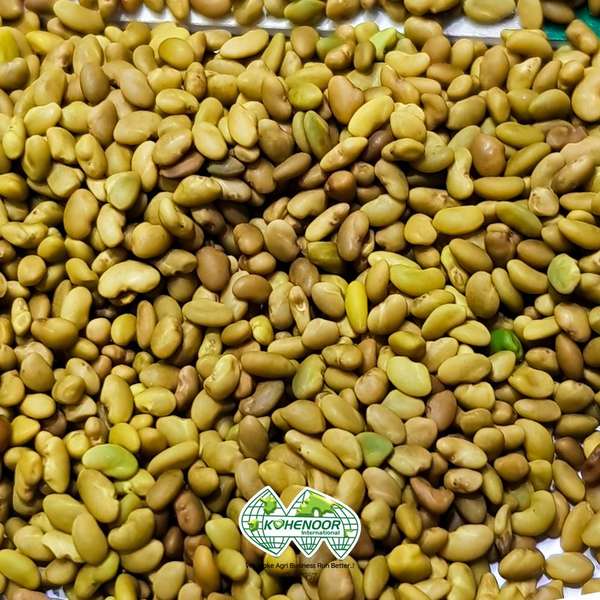
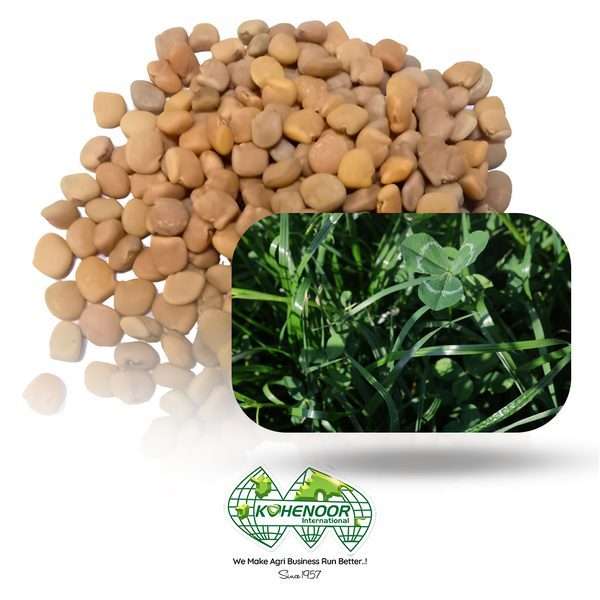
Why Saudi Farms Choose Pakistani Alfalfa Seed
Saudi alfalfa (barseem hijazi) is grown under intense heat, high evapotranspiration and often brackish water. Seed that performs in a temperate climate does not necessarily survive a Riyadh or Al-Kharj summer. Pakistani non-dormant alfalfa comes from the same agro-climate — the irrigated plains of Sindh and southern Punjab — and that is why importers in Riyadh, Dammam, Al-Qassim and Hail buy from Kohenoor International:
- Bred for 45°C summers — Our seed lines are selected in Sindh, where summer temperatures match the Saudi interior. Plants keep producing through the hot months instead of going dormant, delivering 8-10 cuts per year under pivot irrigation.
- Non-dormant (FD 8-10) multi-cut performance — Fall-dormancy class 8-10 material regrows fast after each cut, which is what matters for a farm feeding 5,000 dairy cows on a 25-30 day cutting cycle.
- Salinity and heat tolerance — Sindh soils are naturally saline; seed multiplied there carries tolerance to the electrical-conductivity levels common in Saudi groundwater.
- Dodder-free, quarantine-clean seed — Every lot is cleaned to remove Cuscuta (dodder) and quarantine weed seeds, tested and certified before the phytosanitary certificate is issued — the point on which most Saudi seed consignments are rejected.
- 5-7 day transit to Dammam — Karachi to the Eastern Province is one of the shortest seed supply lanes in the world. You order for the autumn sowing window in September and plant in October.
- Priced without intermediaries — We multiply, clean, grade and pack in our own facility in Hyderabad. FOB Karachi pricing is direct from the processor, not a trading house.
The Saudi Alfalfa Market: Water Policy, Dairy Scale and Seed Demand
Saudi Arabia is home to some of the world’s largest integrated dairy farms, concentrated around Al-Kharj, Al-Qassim, Hail and Wadi Al-Dawasir, alongside a national camel herd and intensive sheep fattening for Hajj and domestic demand. Alfalfa remains the benchmark green fodder for all three because of its protein content and palatability. Since the 2018 water-conservation regulations restricted large-scale green-fodder cultivation, the market has shifted: licensed farms, smaller holdings, and hydroponic and sprouted-fodder units now need higher-yielding, water-efficient seed that produces more dry matter per cubic metre of water, rather than simply more hectares.
That is where seed genetics matter. A non-dormant variety with fast regrowth and salinity tolerance produces more feed per irrigation cycle, which is the metric Saudi agronomists now optimise. Pakistan is the natural origin for that seed: it is grown in a matching climate, priced competitively, and reaches the Kingdom in days rather than weeks. Kohenoor International has supplied Gulf buyers for decades and prepares every consignment to the GCC plant-quarantine and MEWA import requirements.
Applications for Pakistani Alfalfa Seed in Saudi Arabia
Integrated Dairy Farms
Al-Kharj, Al-Qassim & Hail
8-10 cuts/year under pivot
High-protein hay and green chop for large-herd dairy operations that need consistent regrowth on a 25-30 day cycle through the summer.
Recommended: Non-dormant FD 9-10, 25 KG bags, 20-25 kg/ha
Camel & Sheep Fattening
Riyadh, Eastern Province, Najran
Palatable, 18-22% crude protein
Green alfalfa and baled hay for camel farms and sheep fattening units supplying Hajj, Eid and year-round meat demand.
Recommended: Non-dormant FD 8-9
Hydroponic & Sprouted Fodder
Urban and peri-urban units
7-day sprouting cycle, 95%+ clean seed
Fodder units growing alfalfa and barley mats indoors need high-germination, chemically untreated seed with minimal inert matter.
Recommended: Untreated, 99% purity lots
Drip-Irrigated Smallholdings
Al-Ahsa, Tabuk, Jazan
Water-efficient stands lasting 3-4 years
Smaller licensed farms replacing older stands with salinity-tolerant seed that keeps yielding on brackish well water.
Recommended: Semi-dormant to non-dormant FD 7-9
Seed Distributors & Agri Retailers
Riyadh & Dammam wholesalers
Private-label and 1-25 kg retail packs
Distributors serving farm supply stores need consistent lots, MEWA-ready paperwork and packing in Arabic-labelled retail bags.
Recommended: 25 KG bags or retail packs with your brand
Government & Institutional Tenders
Ministry and municipal greening
Tender-grade documentation
We supply certified lots with full CoA, ISTA-format analysis and origin documentation for tender submissions and institutional buyers.
Recommended: Certified lots with tender document pack
ملخص بالعربية: بذور البرسيم الحجازي من باكستان
تصدّر شركة كوهينور إنترناشيونال (منذ 1957) بذور البرسيم الحجازي (الجت) غير الساكنة والمقاومة للحرارة والملوحة إلى المملكة العربية السعودية. نقاوة 99٪، إنبات 85٪ كحد أدنى، خالية من الحامول (الكشوث)، مع شهادة الصحة النباتية وشهادة التحليل. الشحن من ميناء كراتشي إلى الدمام خلال 5-7 أيام، الحد الأدنى للطلب طن واحد، والأسعار FOB كراتشي أو CFR / CIF. تواصل معنا عبر واتساب +92-310-4929292 أو export@kohenoorint.com.
Alfalfa Seeds Specifications
| Parameter | Specification |
|---|
| Botanical Name | Medicago sativa L. |
| Type | Non-dormant multi-cut (FD 8-10) and semi-dormant lines, adapted to irrigated hot climates |
| Purity | 99% minimum (physical) |
| Germination | 85% minimum |
| Moisture | ≤10% |
| Weed Seeds | Dodder-free (Cuscuta spp.); quarantine weeds nil |
| Inert Matter | ≤1% |
| Origin | Sindh & Punjab, Pakistan |
| HS Code | 1209.21 |
| Packaging | 25 KG / 50 KG PP or paper bags; jumbo bags on request |
| MOQ | 1 Metric Ton (trial orders welcome) |
| Incoterms | FOB Karachi / CFR / CIF |
| Documents | Phytosanitary Certificate + Certificate of Analysis (purity, germination, moisture) with every shipment |
Shipping & Logistics: Karachi to Saudi Arabia
We load at Karachi Port (KICT / SAPT), about 165 km from our Hyderabad facility. Direct services connect Karachi with the Kingdom’s Gulf and Red Sea gateways:
| Destination Port | Typical Transit Time | Serves |
|---|
| Dammam (King Abdulaziz Port) | 5-7 days | Eastern Province, Riyadh, Al-Kharj, Al-Qassim |
| Jubail | 6-8 days | Eastern Province industrial and agri zones |
| Jeddah (Islamic Port) | 8-11 days | Western region, Makkah, Madinah, Tabuk |
| Riyadh Dry Port (via Dammam) | 8-10 days | Central region by rail/road |
Documentation for MEWA and Saudi Customs Clearance
Seed for sowing is regulated by the Ministry of Environment, Water and Agriculture (MEWA) and cleared through ZATCA customs on the Fasah platform. Every Kohenoor consignment to Saudi Arabia includes:
- Phytosanitary Certificate — issued by Pakistan’s Department of Plant Protection, stating the consignment is free from dodder and quarantine pests, matching the GCC plant-quarantine law
- Certificate of Analysis — purity, germination, moisture, inert matter and weed-seed count for each lot
- Certificate of Origin — attested by the Hyderabad Chamber of Commerce and legalised for Saudi Arabia on request
- Commercial invoice, packing list and Bill of Lading — consistent lot numbers, botanical name (Medicago sativa) and net weights across all documents
- Importer support — we align labelling with your MEWA import permit and coordinate with your clearing agent so queries are settled before the vessel berths at Dammam
How Importers in Saudi Arabia Order From Us
- Step 1 — Enquiry & Quote: Send your target specification, volume, and destination port via our order page or WhatsApp. We respond with a firm FOB Karachi / CFR / CIF quotation within 24 hours, valid for a stated period against current crop pricing.
- Step 2 — Sample Approval: We courier a representative sample to your facility or laboratory in Saudi Arabia so you can verify the lot against the Certificate of Analysis before committing.
- Step 3 — Contract & Payment: We issue a proforma invoice covering quantity, specification, packing, Incoterms, and payment terms (T/T or irrevocable LC at sight). Processing and container booking begin on confirmation.
- Step 4 — Shipment & Documents: Container stuffed, sealed, and loaded at Karachi; the complete document set is couriered or released per agreed terms before arrival at your port in Saudi Arabia.
Why Kohenoor International
For a Saudi farm, the cost of poor seed is not the price per kilogram — it is a failed stand, a lost season and a herd fed on imported hay. Kohenoor International has been the low-risk choice for Gulf buyers since 1957.
- Exporting Since 1957 — Nearly seven decades of continuous agricultural export experience from Hyderabad, Sindh, across three generations of the business.
- 70+ Countries Served — Our seeds, herbs, spices, and Himalayan salt ship to buyers in more than 70 countries across five continents.
- ISO 9001:2015 + HACCP Certified — Documented quality management and food-safety controls across sourcing, processing, and packing.
- 60+ Product Portfolio — Alfalfa, Rhodes grass, berseem, sesame, fennel, fenugreek, Himalayan salt, and dozens more — consolidate several products into one container from one audited supplier.
- Industry Memberships — Hyderabad Chamber of Commerce, Rice Exporters Association of Pakistan (REAP), and the International Seed Federation (ISF).
- Full Traceability & Testing — Every lot is lab-tested and shipped with a Certificate of Analysis; samples are couriered before you commit.
Frequently Asked Questions — Alfalfa Seeds to Saudi Arabia
What is the minimum order for alfalfa seed to Saudi Arabia?
Our MOQ is 1 metric ton (40 bags of 25 kg), which is enough to sow roughly 40-50 hectares. Large dairy farms and distributors typically order 5-20 MT per season; volume pricing applies from 5 MT.
Which alfalfa variety is best for the Saudi climate?
Non-dormant varieties in fall-dormancy class 8-10 perform best across Riyadh, Al-Qassim and the Eastern Province because they keep growing through the summer and regrow quickly after each cut. For cooler northern areas such as Tabuk or Hail, a semi-dormant FD 7-8 line can be supplied. We recommend based on your water quality and cutting schedule.
How long does shipping take from Karachi to Saudi Arabia?
Karachi to Dammam is typically 5-7 days by direct service; Jeddah is 8-11 days. Allow 7-10 days for cleaning, packing and container booking after order confirmation, so total lead time from order to arrival is usually 2-3 weeks.
Is the seed dodder-free and accepted by MEWA?
Yes. Dodder (Cuscuta) is the main quarantine concern for alfalfa seed entering the GCC. Every lot is gravity-separated and sortex-cleaned to remove dodder, tested by seed count, and only then certified. The phytosanitary certificate states dodder freedom explicitly. Importers still need a valid MEWA import permit, which we help you match document-for-document.
What payment terms do Saudi importers use with Kohenoor?
Most Saudi buyers pay by T/T, 30% with the order and 70% against a copy of the bill of lading, or by irrevocable letter of credit at sight from a Saudi bank. Prices are quoted in USD, FOB Karachi, CFR or CIF Dammam or Jeddah.