Why Ethiopian Dairy Farms and Cooperatives Choose Protein Grass
The Ethiopian plateau is one of the best cool-season forage environments in Africa: 1,800-3,000 m altitude, daytime temperatures of 15-25°C and a long main rainy season (kiremt) from June to September plus belg rains in spring. Dairy farms, unions and development programmes in Oromia, Amhara, SNNP and Addis Ababa choose Protein Grass because:
- Bred for cool highland conditions — Protein Grass grows fastest between 10°C and 25°C, so on the plateau it can be sown with the belg rains, the kiremt rains or under irrigation in the dry season.
- Protein where the ration lacks it — 26-38% crude protein from the field replaces the noug cake and wheat bran that are expensive and often unavailable outside Addis Ababa — and lifts milk by 2-5 kg per cow per day.
- Fast, repeated cuts — First cut 45 days after sowing, then every 20-25 days for 5-10 cuts — 10-12 tonnes of fresh fodder per acre per cut under good management.
- More milk and faster fattening — Farm reports show 2-5 kg more milk per cow per day within 20-25 days, and 700-800 g daily gain in fattening cattle and sheep, including Eid and holiday finishing.
- Documents for Ethiopian import control — Every consignment carries the phytosanitary certificate and Certificate of Analysis required by the Ethiopian Agricultural Authority and Ethiopian Customs, with support for the L/C process.
- Trial from 500 kg — Unions, dairy processors and NGOs can trial 20 hectares across member farms before ordering full containers.
The Ethiopian Dairy Market: Huge Herd, Low Yields and the Push for Improved Forage
Ethiopia’s dairy sector is expanding around Addis Ababa, the Oromia highlands (Holeta, Selale, Sululta, Bishoftu, Adama), Amhara (Bahir Dar, Gondar, Debre Birhan) and the southern highlands (Hawassa), driven by urban milk demand, new processors and cooperative unions. Government and donor programmes — including the national livestock master plan and dairy-development projects — prioritise improved forage because feed shortage is the single largest constraint on milk yield. Improved varieties of oats, vetch, alfalfa and Rhodes grass are being promoted, and a ready-made high-protein blend fits directly into that agenda.
Because Ethiopia is landlocked, seed enters through Djibouti and moves by road or the Addis-Djibouti railway to the highlands. Kohenoor International prepares the phytosanitary certificate, Certificate of Analysis and origin documents required by the Ethiopian Agricultural Authority and Ethiopian Customs Commission, supports importers with the letter-of-credit documentation Ethiopian banks require under National Bank rules, and supplies seed in 5 kg, 10 kg and 25 kg bags for distribution through unions and agro-dealers.
Applications for Kohenoor Protein Grass in Ethiopia
Peri-Urban Dairy
Addis Ababa, Holeta, Sululta, Bishoftu
2-5 kg more milk per cow per day
Commercial and semi-commercial dairies supplying the Addis milk market.
Recommended: 10 KG (one acre) and 25 KG bags
Smallholder Cooperatives
Selale, Debre Birhan, Bahir Dar, Hawassa
Cut-and-carry for crossbred cows
Union members with 2-5 crossbred cows needing dry-season protein fodder.
Recommended: 5 KG (half-acre) bags via unions
Fattening & Export Feedlots
Adama, Modjo, Bishoftu
700-800 g daily gain
Cattle and sheep fattening for domestic holidays and live-animal export.
Recommended: 25 KG bags, 500 KG+
Dairy Processors & Unions
Milk-shed development programmes
Seed distribution to members
Processors and unions lifting milk intake by supplying seed to suppliers.
Recommended: Branded packs, jumbo bags
Irrigated Dry-Season Fodder
Rift Valley lakes, Awash, Koga
Sow under irrigation October-February
Irrigation schemes producing fodder when natural pasture is exhausted.
Recommended: 25 KG bags
Government & NGO Programmes
Livestock and resilience projects
Tender-grade certification
Programmes distributing certified forage seed with full analysis and import documents.
Recommended: Certified lots with tender document pack
ማጠቃለያ በአማርኛ፡ የኮሂኑር ፕሮቲን ግራስ የመኖ ዘር ለኢትዮጵያ
ኮሂኑር ፕሮቲን ግራስ ለአንድ ውጤት የተዘጋጀ ከፍተኛ ፕሮቲን ያለው የመኖ ዘር ድብልቅ ነው፡ ከዚያው መሬት ተጨማሪ ወተትና ተጨማሪ ስጋ። በአጠቃላይ ከ26 እስከ 38 በመቶ ጥሬ ፕሮቲን ይይዛል፣ ከተዘራ ከ45 ቀናት በኋላ የመጀመሪያ አጨዳ ይሰጣል፣ ከዚያም በየ20-25 ቀናት ይታጨዳል (5-10 አጨዳ)። በሄክታር 25 ኪሎ ግራም ዘር ይዘራል፤ የቀን ሙቀት 28 ዲግሪ ወይም ከዚያ በታች ሲሆን፣ በኢትዮጵያ ደጋማ አካባቢዎች ዓመቱን ሙሉ ሊዘራ ይችላል። አርሶ አደሮች በ20-25 ቀናት ውስጥ በአንድ ላም በቀን 2-5 ኪሎ ተጨማሪ ወተት እና በሚደልቡ እንስሳት በቀን 700-800 ግራም ክብደት መጨመር እንደሚያገኙ ይገልጻሉ። ኮሂኑር ኢንተርናሽናል (ከ1957 ጀምሮ) ከካራቺ ወደብ በጅቡቲ በኩል ወደ አዲስ አበባ ይልካል፤ ዝቅተኛ ትዕዛዝ 500 ኪሎ ግራም ነው። ያግኙን፡ WhatsApp +92-310-4929292 ወይም export@kohenoorint.com።
Kohenoor Protein Grass Specifications
| Parameter | Specification |
|---|
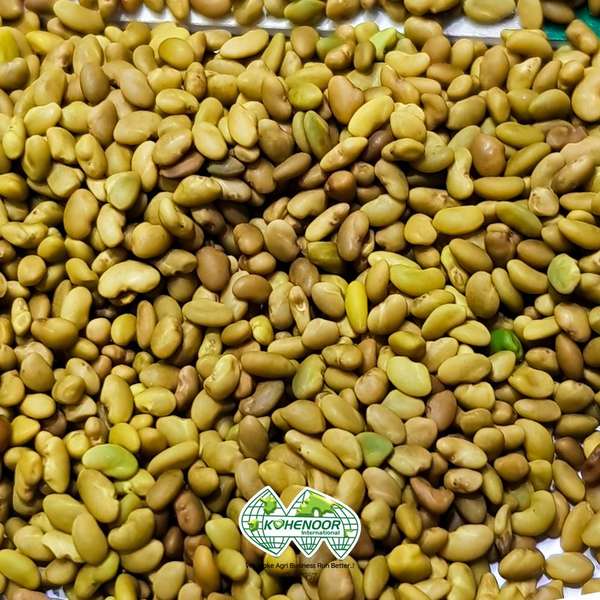
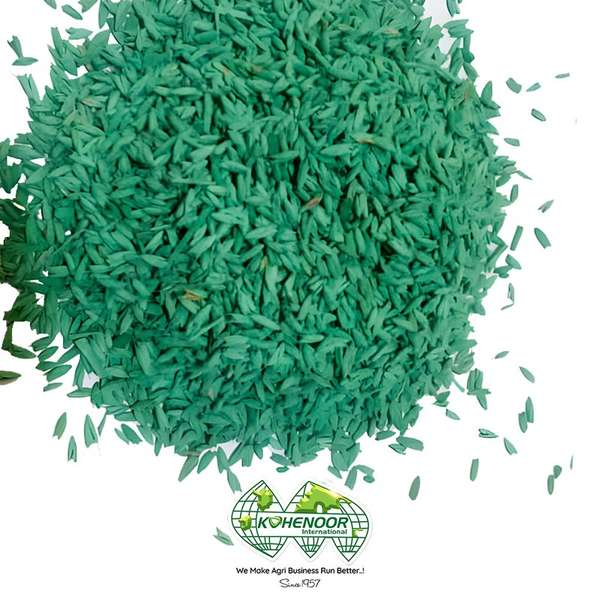
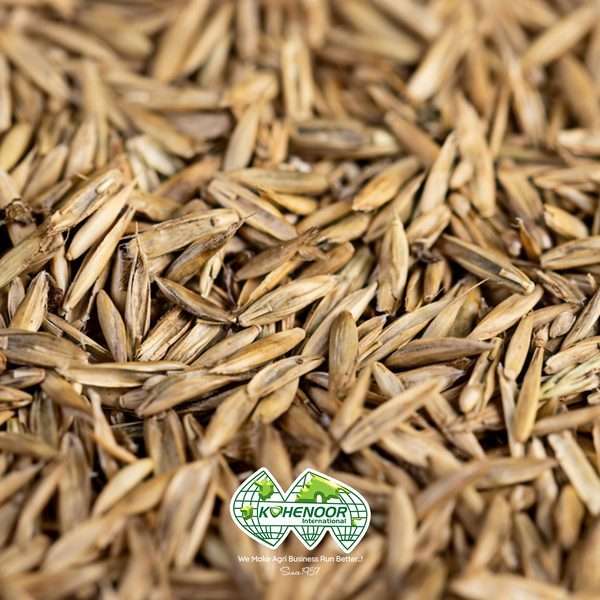
| Product | Kohenoor Protein Grass — “More Milk, More Meat” proprietary high-protein forage seed blend, developed by Noorani Seeds (Kohenoor group) with premium seed lines imported from Germany and blended in Pakistan. Formulation is proprietary; performance is specified below. |
| Crude Protein | 26-38% (cumulative CP of all forages in the blend, not one species) |
| Crude Fibre | 26% maximum |
| Mineral Content | ~10% |
| Dry Matter | ~45% |
| Purity | 98% minimum |
| Germination | 85% minimum |
| Moisture | ≤12% |
| Seed Rate | 10 kg per acre (25 kg/ha); 12-15 kg per acre on light or sandy soils |
| Sowing Window | When daytime temperature is 28°C or below: Sept-Dec in warm lowlands, until March in cooler zones, year-round in cool highlands (1,500 m+) |
| Cutting Schedule | First cut 45 days after sowing, then every 20-25 days; cut 10 cm (4 in) above ground for fast regrowth |
| Number of Cuts | 5-10 per stand depending on sowing date and climate |
| Fresh Yield | About 10-12 t per acre per cut (25-30 t/ha) under good management |
| Fertiliser Guide | DAP 50 kg/acre at sowing (SSP/MAP on light soils); urea 60-100 kg/acre after the first cut, then ~50 kg after each cut |
| Packaging | 5 KG (half acre), 10 KG (one acre) and 25 KG bags; jumbo bags for projects |
| MOQ | 500 KG |
| Incoterms | FOB Karachi / CFR / CIF |
| Documents | Phytosanitary Certificate + Certificate of Analysis (purity, germination, moisture) with every shipment |
Shipping & Logistics: Karachi to Ethiopia
We load at Karachi Port (KICT / SAPT). Ethiopia is landlocked, so containers move by sea to Djibouti and onward by road or rail to Addis Ababa and the highlands:
| Destination Port | Typical Transit Time | Serves |
|---|
| Djibouti (DCT / Doraleh) → Addis Ababa | 8-11 days sea + 2-4 days road/rail | Addis Ababa, Oromia highlands, Bishoftu, Adama |
| Djibouti → Modjo Dry Port | 8-11 days sea + 3-5 days | Central Ethiopia clearance hub |
| Djibouti → Bahir Dar / Kombolcha | 8-11 days sea + 4-6 days road | Amhara region |
| Air freight to Addis Ababa (Bole) | 4-6 days | Samples and urgent small lots |
Documentation for Ethiopian Agricultural Authority and Customs Clearance
Seed imports into Ethiopia require an import permit and phytosanitary clearance from the Ethiopian Agricultural Authority (EAA), a bank-approved letter of credit or permit under National Bank of Ethiopia rules, and customs clearance through the Ethiopian Customs Commission (eCMS) at Modjo or Addis Ababa. Every Kohenoor consignment to Ethiopia includes:
- Phytosanitary Certificate — issued by Pakistan’s Department of Plant Protection to the conditions on your EAA import permit, declaring freedom from quarantine pests and weed seeds
- Certificate of Analysis — purity, germination, moisture and inert matter per lot, plus the blend performance specification (crude protein, crude fibre, minerals, dry matter)
- Certificate of Origin — attested by the Hyderabad Chamber of Commerce and legalised on request
- Commercial invoice, packing list and Bill of Lading — consigned via Djibouti for transit to Ethiopia, matching the L/C terms exactly (product description forage seed mixture, HS 1209.29, lot numbers, net weights)
- Importer support — we prepare L/C-compliant documents for your Ethiopian bank, align them with the EAA permit and coordinate with your transitor at Djibouti and Modjo
How Importers in Ethiopia Order From Us
- Step 1 — Enquiry & Quote: Send your target specification, volume, and destination port via our order page or WhatsApp. We respond with a firm FOB Karachi / CFR / CIF quotation within 24 hours, valid for a stated period against current crop pricing.
- Step 2 — Sample Approval: We courier a representative sample to your facility or laboratory in Ethiopia so you can verify the lot against the Certificate of Analysis before committing.
- Step 3 — Contract & Payment: We issue a proforma invoice covering quantity, specification, packing, Incoterms, and payment terms (T/T or irrevocable LC at sight). Processing and container booking begin on confirmation.
- Step 4 — Shipment & Documents: Container stuffed, sealed, and loaded at Karachi; the complete document set is couriered or released per agreed terms before arrival at your port in Ethiopia.
Why Kohenoor International
Ethiopian importers need a supplier who can produce clean L/C documents and clear Djibouti without holds. Kohenoor International has supplied Ethiopian and East African buyers with forage seed and knows the corridor.
- Exporting Since 1957 — Nearly seven decades of continuous agricultural export experience from Hyderabad, Sindh, across three generations of the business.
- 70+ Countries Served — Our seeds, herbs, spices, and Himalayan salt ship to buyers in more than 70 countries across five continents.
- ISO 9001:2015 + HACCP Certified — Documented quality management and food-safety controls across sourcing, processing, and packing.
- 60+ Product Portfolio — Alfalfa, Rhodes grass, berseem, sesame, fennel, fenugreek, Himalayan salt, and dozens more — consolidate several products into one container from one audited supplier.
- Industry Memberships — Hyderabad Chamber of Commerce, Rice Exporters Association of Pakistan (REAP), and the International Seed Federation (ISF).
- Full Traceability & Testing — Every lot is lab-tested and shipped with a Certificate of Analysis; samples are couriered before you commit.
Frequently Asked Questions — Kohenoor Protein Grass to Ethiopia
When can Protein Grass be sown in the Ethiopian highlands?
Whenever daytime temperatures are 28°C or below and moisture is available: with the belg rains (February-April), the kiremt rains (June-September) or under irrigation in the dry season. On the plateau above 1,800 m the temperature window is open most of the year; early sowing gives the most cuts.
How much seed per hectare?
25 kg per hectare (10 kg per acre) on good soils; 30-37 kg per hectare on light soils. A 10 kg bag sows one acre and a 5 kg bag half an acre. Broadcast on moist prepared soil, cover lightly, and cut 10 cm above ground.
How does Protein Grass compare with oats-vetch or Rhodes grass?
Oats-vetch is a good cool-season mix but is usually cut once; Protein Grass gives 5-10 cuts with 26-38% crude protein. Rhodes grass gives bulk hay with 8-12% protein. Most farms keep their bulk grass and add Protein Grass as the protein plot that raises milk and daily gain.
What is the minimum order and how does it reach Ethiopia?
MOQ is 500 kg (20 hectares) in 5, 10 or 25 kg bags, shipped FOB Karachi or CFR/CIF Djibouti in 8-11 days and then by road or rail to Addis Ababa. Unions and processors typically order 1-5 MT; volume pricing applies from 2 MT.
How do Ethiopian buyers pay for imported seed?
Under National Bank of Ethiopia rules most imports are paid by letter of credit or approved permit through an Ethiopian bank. We prepare L/C-compliant documents and quote in USD, FOB Karachi, CFR or CIF Djibouti.