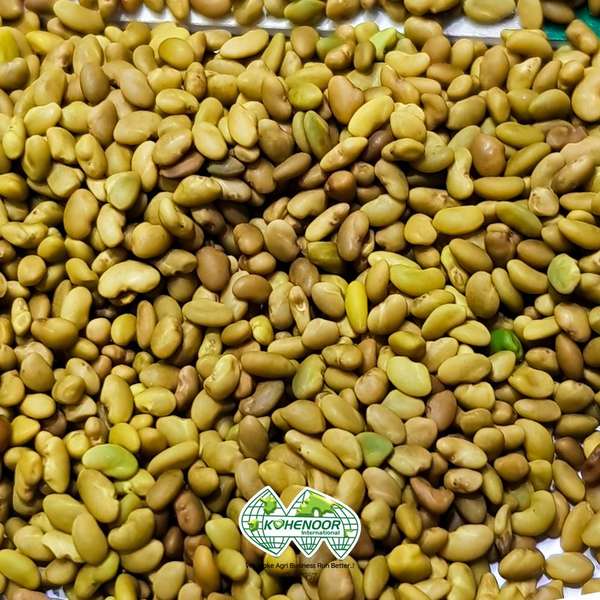
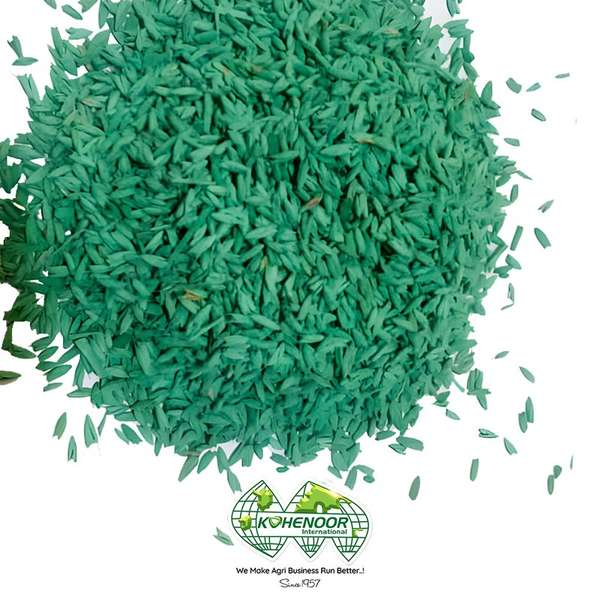
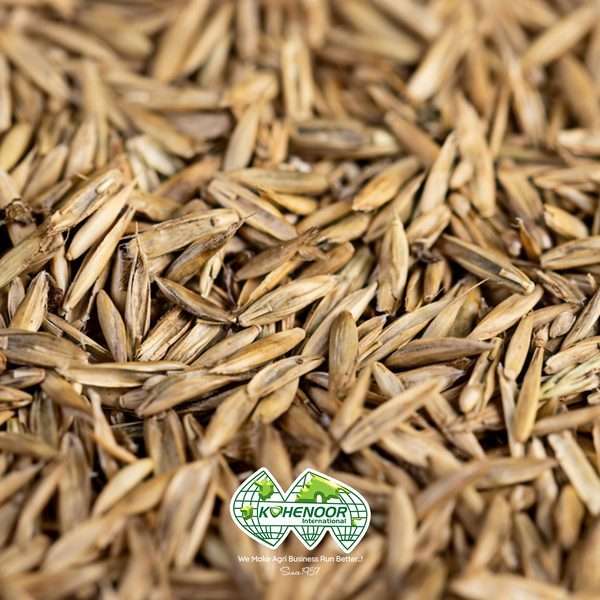
Why Kenyan Dairy Farmers and Cooperatives Choose Protein Grass
Kenya’s highland climate is close to ideal for a cool-season forage: Kiambu, Nyandarua, Nakuru, Uasin Gishu, Meru and Nyeri sit between 1,500 and 2,600 m with daytime temperatures of 18-26°C most of the year. That is exactly the window Protein Grass is bred for. Dairy farmers, cooperatives and agrovets buy it because:
- Sow in almost any month — Protein Grass needs daytime temperatures of 28°C or below; in the highlands that is year-round, so sowing follows the long and short rains or irrigation rather than a fixed season.
- Replaces expensive dairy meal — With 26-38% crude protein in the fodder, farmers report 2-5 kg more milk per cow per day within 20-25 days and roughly half the dairy-meal purchase.
- Fits zero-grazing plots — On a half-acre cut-and-carry plot a 5 kg bag gives daily green chop for 2-3 cows; first cut at 45 days, then every 20-25 days, for 5-10 cuts.
- More milk than Napier per acre — Young, leafy Protein Grass is far higher in protein and more digestible than mature Napier or maize stover, so the same cow gives more milk from the same land.
- KEPHIS-ready documentation — Every consignment ships with the phytosanitary certificate and Certificate of Analysis the Kenya Plant Health Inspectorate Service inspects at Mombasa.
- Trial from 500 kg — Cooperatives, processors and NGOs can trial 50 acres across member farms before scaling to full containers.
The Kenyan Dairy Market: Smallholder Milk, Processor Demand and the Fodder Gap
Kenya produces several billion litres of milk a year, most of it from smallholders with two to five cows selling to cooperatives and processors such as Brookside, New KCC and county dairies. Yields per cow remain far below potential because dry-season fodder is scarce and low in protein, and purchased dairy meal has become a major cost. Counties, cooperatives and development programmes are investing in improved fodder — Brachiaria, lucerne, Rhodes grass and silage — and a high-protein cool-season blend fills the gap left by grass-only options.
Protein Grass is a complement to Napier and Brachiaria, not a replacement: farmers keep their bulk grass and add a high-protein plot to lift milk yield and cut concentrate. Kohenoor International supplies seed in 5 kg, 10 kg and 25 kg bags for distribution through agrovets and cooperatives, prepares KEPHIS phytosanitary documentation and supports importers with the plant import permit process, and ships FOB Karachi to Mombasa in 12-16 days with onward road delivery to Nairobi, Nakuru and Eldoret.
Applications for Kohenoor Protein Grass in Kenya
Highland Dairy Farms
Kiambu, Nyandarua, Nyeri, Meru
2-5 kg more milk per cow per day
Smallholder and medium dairies replacing part of their dairy meal with high-protein fodder.
Recommended: 10 KG (one acre) bags via agrovets
Zero-Grazing Units
Central and Rift Valley smallholders
Daily cut-and-carry from half an acre
Stall-fed cows on small plots need the highest protein per square metre.
Recommended: 5 KG (half-acre) bags
Rift Valley Commercial Farms
Nakuru, Uasin Gishu, Trans Nzoia
Irrigated or rain-fed, 5-10 cuts
Larger dairies and hay producers under irrigation or long-rains sowing.
Recommended: 25 KG bags, 500 KG+
Dairy Cooperatives & Processors
Milk-shed development
Seed distribution to members
Cooperatives and processors lifting milk intake by supplying seed to members.
Recommended: Branded 5-10 KG packs, jumbo bags
Beef & Sheep Finishing
Laikipia, Nakuru, Machakos
700-800 g daily gain
Finishing units and pastoralist groups finishing on green fodder.
Recommended: 10-25 KG bags
County & NGO Programmes
Livestock and drought-resilience projects
Tender-grade certification
Programmes distributing certified fodder seed with full analysis and KEPHIS documents.
Recommended: Certified lots with tender document pack
Muhtasari kwa Kiswahili: mbegu za Kohenoor Protein Grass kwa wafugaji wa Kenya
Kohenoor Protein Grass ni mbegu za malisho zenye protini nyingi (protini ghafi 26-38%) zilizotengenezwa kwa lengo moja: maziwa zaidi na nyama zaidi kutoka shamba lile lile. Kata ya kwanza baada ya siku 45, kisha kila siku 20-25, kwa mavuno 5-10. Panda kilo 10 kwa ekari wakati joto la mchana ni 28°C au chini — katika nyanda za juu za Kenya karibu mwaka mzima. Wafugaji wanaripoti ongezeko la maziwa la kilo 2-5 kwa ng’ombe kwa siku ndani ya siku 20-25, ongezeko la uzito la gramu 700-800 kwa siku kwa mifugo ya nyama, na kupunguza matumizi ya dairy meal kwa karibu nusu. Kohenoor International (tangu 1957) inasafirisha FOB Karachi hadi Mombasa kwa siku 12-16 na hati za KEPHIS. Kiwango cha chini cha oda: kilo 500. Wasiliana nasi: WhatsApp +92-310-4929292 au export@kohenoorint.com.
Kohenoor Protein Grass Specifications
| Parameter | Specification |
|---|
| Product | Kohenoor Protein Grass — “More Milk, More Meat” proprietary high-protein forage seed blend, developed by Noorani Seeds (Kohenoor group) with premium seed lines imported from Germany and blended in Pakistan. Formulation is proprietary; performance is specified below. |
| Crude Protein | 26-38% (cumulative CP of all forages in the blend, not one species) |
| Crude Fibre | 26% maximum |
| Mineral Content | ~10% |
| Dry Matter | ~45% |
| Purity | 98% minimum |
| Germination | 85% minimum |
| Moisture | ≤12% |
| Seed Rate | 10 kg per acre (25 kg/ha); 12-15 kg per acre on light or sandy soils |
| Sowing Window | When daytime temperature is 28°C or below: Sept-Dec in warm lowlands, until March in cooler zones, year-round in cool highlands (1,500 m+) |
| Cutting Schedule | First cut 45 days after sowing, then every 20-25 days; cut 10 cm (4 in) above ground for fast regrowth |
| Number of Cuts | 5-10 per stand depending on sowing date and climate |
| Fresh Yield | About 10-12 t per acre per cut (25-30 t/ha) under good management |
| Fertiliser Guide | DAP 50 kg/acre at sowing (SSP/MAP on light soils); urea 60-100 kg/acre after the first cut, then ~50 kg after each cut |
| Packaging | 5 KG (half acre), 10 KG (one acre) and 25 KG bags; jumbo bags for projects |
| MOQ | 500 KG |
| Incoterms | FOB Karachi / CFR / CIF |
| Documents | Phytosanitary Certificate + Certificate of Analysis (purity, germination, moisture) with every shipment |
Shipping & Logistics: Karachi to Kenya
We load at Karachi Port (KICT / SAPT). Bagged seed ships on pallets to Mombasa, then by road or SGR to the dairy counties:
| Destination Port | Typical Transit Time | Serves |
|---|
| Mombasa | 12-16 days | Nairobi, Kiambu, Central Kenya by road/SGR in 1-2 days |
| Mombasa → Nakuru / Eldoret | 12-16 days + 2-3 days road | Rift Valley dairy belt |
| Mombasa → Meru / Nyeri | 12-16 days + 2 days road | Mount Kenya region |
| Air freight to JKIA Nairobi | 5-7 days | Samples and urgent small lots |
Documentation for KEPHIS and Kenyan Customs Clearance
Seed imports into Kenya require a Plant Import Permit from the Kenya Plant Health Inspectorate Service (KEPHIS) obtained before shipment, phytosanitary inspection at Mombasa, and customs clearance through the KRA iCMS/KenTrade single window. Every Kohenoor consignment to Kenya includes:
- Phytosanitary Certificate — issued by Pakistan’s Department of Plant Protection, meeting the conditions on your KEPHIS Plant Import Permit and declaring freedom from quarantine pests and weed seeds
- Certificate of Analysis — purity, germination, moisture and inert matter per lot, plus the blend performance specification (crude protein, crude fibre, minerals, dry matter)
- Certificate of Origin — attested by the Hyderabad Chamber of Commerce
- Commercial invoice, packing list and Bill of Lading — consistent product description (forage seed mixture, HS 1209.29), lot numbers and net weights for the KenTrade declaration
- Importer support — we align documents with your KEPHIS permit and coordinate with your clearing agent at Mombasa before the vessel berths
How Importers in Kenya Order From Us
- Step 1 — Enquiry & Quote: Send your target specification, volume, and destination port via our order page or WhatsApp. We respond with a firm FOB Karachi / CFR / CIF quotation within 24 hours, valid for a stated period against current crop pricing.
- Step 2 — Sample Approval: We courier a representative sample to your facility or laboratory in Kenya so you can verify the lot against the Certificate of Analysis before committing.
- Step 3 — Contract & Payment: We issue a proforma invoice covering quantity, specification, packing, Incoterms, and payment terms (T/T or irrevocable LC at sight). Processing and container booking begin on confirmation.
- Step 4 — Shipment & Documents: Container stuffed, sealed, and loaded at Karachi; the complete document set is couriered or released per agreed terms before arrival at your port in Kenya.
Why Kohenoor International
Kohenoor International already supplies alfalfa seed to Kenyan buyers and ranks first on Bing for Swahili forage queries from East Africa. Protein Grass is sold to thousands of Pakistani dairy farmers every season before export — that domestic track record is your assurance.
- Exporting Since 1957 — Nearly seven decades of continuous agricultural export experience from Hyderabad, Sindh, across three generations of the business.
- 70+ Countries Served — Our seeds, herbs, spices, and Himalayan salt ship to buyers in more than 70 countries across five continents.
- ISO 9001:2015 + HACCP Certified — Documented quality management and food-safety controls across sourcing, processing, and packing.
- 60+ Product Portfolio — Alfalfa, Rhodes grass, berseem, sesame, fennel, fenugreek, Himalayan salt, and dozens more — consolidate several products into one container from one audited supplier.
- Industry Memberships — Hyderabad Chamber of Commerce, Rice Exporters Association of Pakistan (REAP), and the International Seed Federation (ISF).
- Full Traceability & Testing — Every lot is lab-tested and shipped with a Certificate of Analysis; samples are couriered before you commit.
Frequently Asked Questions — Kohenoor Protein Grass to Kenya
When can Protein Grass be sown in Kenya?
Whenever daytime temperatures are 28°C or below and soil moisture is available — in the highlands (Kiambu, Nyandarua, Nakuru, Uasin Gishu, Meru) that is most of the year, so most farmers sow with the long rains (March-May) or short rains (October-November) or under irrigation. In warmer lowland areas sow in the cooler months.
How much seed does a Kenyan smallholder need?
10 kg per acre (a 10 kg bag) or 5 kg for a half-acre zero-grazing plot; 12-15 kg per acre on light sandy soils. Broadcast on moist, well-prepared soil, cover lightly and keep moist until emergence.
How does Protein Grass compare with Napier grass?
Napier gives bulk but only 8-12% crude protein when mature; Protein Grass delivers 26-38% crude protein with higher digestibility, which is why farmers see 2-5 kg more milk per cow per day. Most farmers keep Napier for bulk and add a Protein Grass plot to lift milk yield and cut dairy meal.
What is the minimum order and how does it reach Kenya?
MOQ is 500 kg (50 acres) in 5, 10 or 25 kg bags, shipped FOB Karachi or CFR/CIF Mombasa in 12-16 days, then by road or SGR inland. Cooperatives and agrovets typically order 1-5 MT; volume pricing applies from 2 MT.
What permits are needed to import forage seed into Kenya?
The importer obtains a KEPHIS Plant Import Permit before shipment. Our phytosanitary certificate, Certificate of Analysis and origin documents are prepared to match the permit so KEPHIS inspection at Mombasa clears without delay.