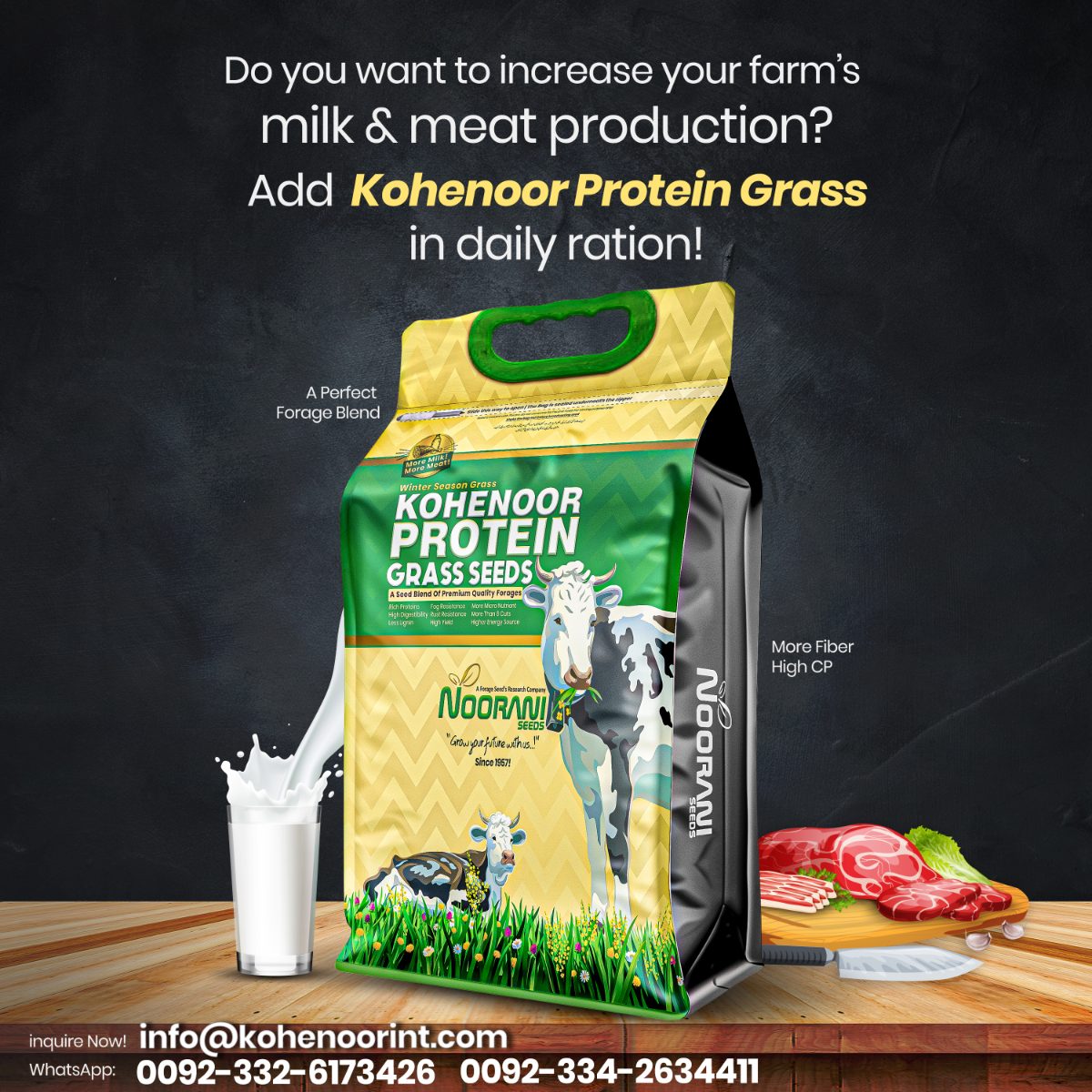
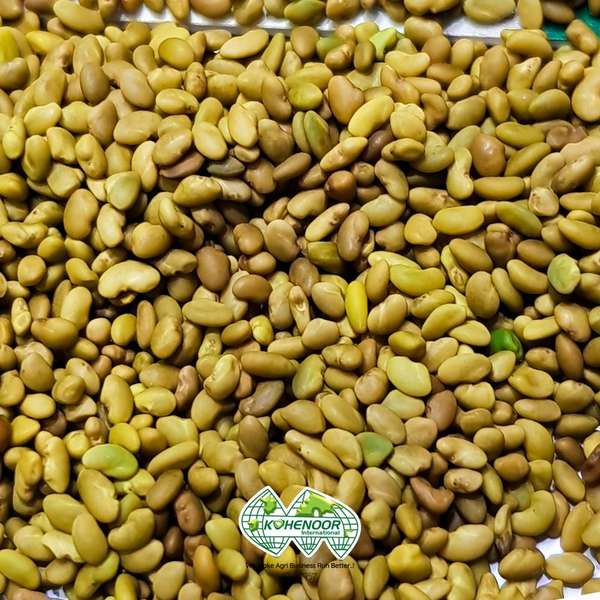
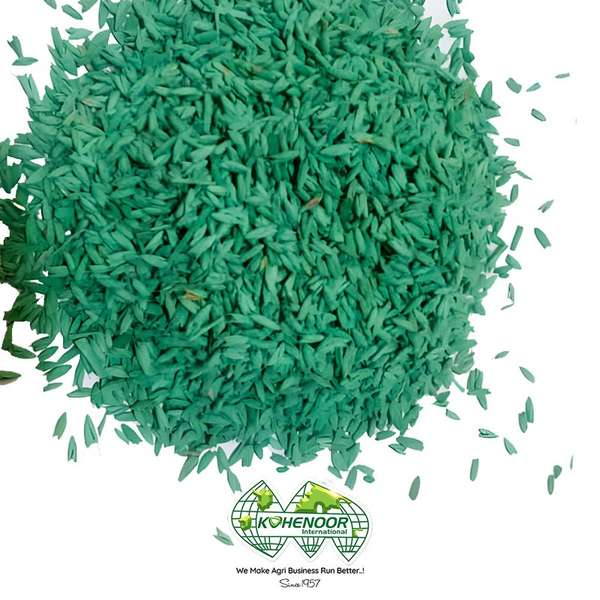
Why Saudi Dairy, Camel and Small-Ruminant Farms Choose Protein Grass
The Kingdom’s livestock sector — large integrated dairies, thousands of family camel and sheep holdings, and fattening yards supplying Riyadh, Jeddah and the Hajj and Eid markets — depends on a mix of local fodder, imported hay and concentrate. Protein is the most expensive part of that ration. Protein Grass puts more of it into every cut of green fodder.
- A winter crop for a water-scarce country — Sown in the cool months when daytime temperatures are 28°C or below, it grows when evaporation is at its lowest, so each cubic metre of irrigation water returns more crude protein than a summer crop.
- Replaces expensive concentrate — With 26-38% crude protein in the green fodder, farmers report 2-5 kg more milk per cow per day and roughly 50% less concentrate — a direct saving on imported soybean meal and barley.
- Fast to first cut — First cut 45 days after sowing, then every 20-25 days, so a stand sown in November is cut through to March or April.
- For camels, sheep and goats as well as cattle — Fattening lambs, Najdi and Naimi rams for Eid al-Adha, and camel herds all respond to high-protein green feed; fattening animals reach 700-800 g daily gain.
- MEWA-ready documentation — Every consignment ships with the phytosanitary certificate and Certificate of Analysis matched to the importer’s approval, so plant-quarantine inspection at Dammam or Jeddah clears without delay.
- Trial from 500 kg — Farms, traders, agricultural companies and research stations can trial before committing a container, or consolidate Protein Grass with alfalfa or Rhodes grass seed in one shipment.
The Saudi Fodder Market: Water Policy, Imported Feed and the Winter Opportunity
Saudi Arabia is one of the world’s largest importers of animal feed. Its large dairies in Al-Kharj, Al-Jouf, Hail and the Eastern Province, its national camel herd and its sheep and goat flocks are fed on a combination of imported alfalfa and grass hay, barley, concentrate and locally grown fodder. To protect non-renewable groundwater, national policy restricts green-fodder cultivation, particularly on large commercial holdings, and pushes farms toward water-efficient crops, irrigation and imported feed. That makes the value of each locally grown kilogram of protein higher, not lower.
Protein Grass fits this landscape as a short, high-value winter crop. It does not try to replace alfalfa hay for year-round bulk or Rhodes grass for summer; it adds a concentrated burst of protein during the cool months, when growing conditions are best and water use per tonne is lowest. Farms already licensed to grow fodder can use it on part of their area to cut concentrate purchases; smaller family holdings with drip lines or small pivots can grow it as a winter feed for milking camels, goats and sheep; and traders supplying agricultural regions such as Qassim and Hail can stock 5-25 kg bags for the October-December sowing season. Always confirm the current Ministry of Environment, Water and Agriculture (MEWA) rules that apply to your farm category before planting.
Applications for Kohenoor Protein Grass in Saudi Arabia
Dairy Farms
Al-Kharj, Al-Jouf, Hail, Eastern Province
2-5 kg more milk per cow per day
Licensed dairies using part of their irrigated area for a winter protein crop to reduce concentrate purchases.
Recommended: 25 KG bags, 1-5 MT
Camel Holdings
Riyadh, Qassim, Al-Ahsa, Najran
High-protein green feed in winter
Milking camel herds and breeding farms adding green, high-protein feed to hay-based rations in the cool season.
Recommended: 10-25 KG bags
Sheep & Goat Fattening
Qassim, Hail, Riyadh outskirts
700-800 g daily gain (cattle); faster lamb finishing
Fattening yards preparing Najdi, Naimi and Harri lambs and goats for Eid al-Adha and the Hajj season.
Recommended: 10 KG bags
Northern Agricultural Regions
Tabuk, Al-Jouf, Hail
Longest cool season, most cuts
Cooler northern winters give the longest window below 28°C and the highest number of cuts per stand.
Recommended: 25 KG bags, 500 KG+
Southern Highlands
Asir, Al-Baha, Taif
Mild temperatures, terrace farms
Highland farms with mild temperatures and small herds that need green feed on limited terrace areas.
Recommended: 5-10 KG bags
Traders, Companies & Research
Agricultural input traders, research stations
Tender-grade certification
Seed traders, agricultural companies and research programmes requiring full analysis and documents for trials and resale.
Recommended: Branded 5-25 KG packs, certified lots
ملخص باللغة العربية: بذور كوهينور بروتين جراس لمزارع المملكة العربية السعودية
بذور كوهينور بروتين جراس خلطة أعلاف خضراء عالية البروتين (بروتين خام 26-38%) صُمّمت لهدف واحد: حليب أكثر ولحم أكثر من نفس المساحة المروية. الحشة الأولى بعد 45 يوماً، ثم كل 20-25 يوماً، بمعدل 5-10 حشات للزراعة الواحدة. يفيد المربون بزيادة 2-5 كجم حليب للبقرة يومياً خلال 20-25 يوماً، ونمو يومي 700-800 جرام في حيوانات التسمين، مع خفض العلف المركز بنحو النصف. معدل البذار 10 كجم للفدان (نحو 25 كجم للهكتار)، و12-15 كجم في التربة الرملية الخفيفة. تُزرع فقط عندما لا تتجاوز حرارة النهار 28 درجة مئوية، أي من أواخر أكتوبر حتى فبراير في معظم مناطق المملكة، وتمتد الفترة في الجوف وتبوك وحائل والقصيم. يُضاف سماد DAP بمعدل 50 كجم للفدان عند الزراعة، واليوريا بعد كل حشة، وتُحش على ارتفاع 10 سم لتسريع النمو من جديد. يرجى التأكد من أنظمة وزارة البيئة والمياه والزراعة الخاصة بزراعة الأعلاف لفئة مزرعتكم. العبوات 5 و10 و25 كجم، والحد الأدنى للطلب 500 كجم. نشحن من كراتشي إلى ميناء الملك عبدالعزيز بالدمام (5-8 أيام) أو ميناء جدة الإسلامي (8-12 يوماً) مع شهادة الصحة النباتية وشهادة التحليل وشهادة المنشأ. تواصلوا معنا عبر واتساب +92 310 4929292 أو export@kohenoorint.com للحصول على الأسعار وعينة مجانية.
Kohenoor Protein Grass Specifications
| Parameter | Specification |
|---|
| Product | Kohenoor Protein Grass — “More Milk, More Meat” proprietary high-protein forage seed blend, developed by Noorani Seeds (Kohenoor group) with premium seed lines imported from Germany and blended in Pakistan. Formulation is proprietary; performance is specified below. |
| Crude Protein | 26-38% (cumulative CP of the blend) |
| Crude Fibre | 26% maximum |
| Mineral Content | ~10% |
| Dry Matter | ~45% |
| Purity | 98% minimum |
| Germination | 85% minimum |
| Moisture | ≤12% |
| Seed Rate | 10 kg per acre (25 kg/ha); 12-15 kg per acre on light or sandy soils |
| Sowing Window | When daytime temperature is 28°C or below: late October to February across most of the Kingdom; longest in Al-Jouf, Tabuk, Hail and Qassim and in the Asir and Al-Baha highlands. Not a summer crop. |
| Cutting Schedule | First cut 45 days after sowing, then every 20-25 days; cut 10 cm (4 in) above ground for fast regrowth |
| Number of Cuts | 5-10 per stand depending on sowing date and climate |
| Fresh Yield | About 10-12 t per acre per cut under good management |
| Fertiliser Guide | DAP 50 kg/acre at sowing; urea after each cut |
| Packaging | 5 KG, 10 KG and 25 KG bags; jumbo bags and private-label packs for traders |
| MOQ | 500 KG |
| HS Code | 1209.29 |
| Incoterms | FOB Karachi / CFR / CIF |
| Documents | Phytosanitary Certificate + Certificate of Analysis (purity, germination, moisture) with every shipment |
Shipping & Logistics: Karachi to Saudi Arabia
We load at Karachi Port (KICT / SAPT). Saudi Arabia is one of the shortest sea routes from Pakistan, and bagged seed often travels in consolidated containers with alfalfa, Rhodes grass or berseem seed:
| Destination Port | Typical Transit Time | Serves |
|---|
| King Abdulaziz Port, Dammam | 5-8 days | Eastern Province, Al-Ahsa, Riyadh and Al-Kharj by road or rail |
| Jeddah Islamic Port | 8-12 days | Makkah, Madinah, Taif, Asir and the western regions |
| Riyadh Dry Port (via Dammam rail) | 8-12 days | Central region, Qassim and Hail by road |
| Air freight to Riyadh (RUH) or Jeddah (JED) | 3-5 days | Samples and urgent small lots |
Documentation for MEWA and Saudi Customs Clearance
Seed for sowing entering the Kingdom requires approval from the Ministry of Environment, Water and Agriculture (MEWA) and plant-quarantine inspection at the port of entry, while customs clearance is handled by the Zakat, Tax and Customs Authority (ZATCA) through the FASAH platform. Every Kohenoor consignment to Saudi Arabia includes:
- Phytosanitary Certificate — issued by Pakistan’s Department of Plant Protection, declaring freedom from quarantine pests and weed seeds in line with the importer’s MEWA approval
- Certificate of Analysis — purity, germination, moisture and inert matter per lot, plus the blend performance specification (crude protein, crude fibre, minerals, dry matter)
- Certificate of Origin — attested by the Hyderabad Chamber of Commerce; Arabic-language labelling and further legalisation arranged on request
- Commercial invoice, packing list and Bill of Lading — consistent product description (forage seed mixture, HS 1209.29), lot numbers and net weights for the FASAH declaration
- Importer support — we align documents with your MEWA approval and coordinate with your clearing agent in Dammam or Jeddah
How Importers in Saudi Arabia Order From Us
- Step 1 — Enquiry & Quote: Send your target specification, volume, and destination port via our order page or WhatsApp. We respond with a firm FOB Karachi / CFR / CIF quotation within 24 hours, valid for a stated period against current crop pricing.
- Step 2 — Sample Approval: We courier a representative sample to your farm or laboratory in Saudi Arabia so you can verify the lot against the Certificate of Analysis before committing.
- Step 3 — Contract & Payment: We issue a proforma invoice covering quantity, specification, packing, Incoterms, and payment terms (T/T or irrevocable LC at sight). Processing and container booking begin on confirmation.
- Step 4 — Shipment & Documents: Container stuffed, sealed, and loaded at Karachi; the complete document set is couriered or released per agreed terms before arrival at Dammam or Jeddah.
Why Kohenoor International
Kohenoor International already ships alfalfa and Rhodes grass seed to buyers in Saudi Arabia and across the GCC. Protein Grass is sold to thousands of Pakistani dairy farmers every season before export — that domestic track record is your assurance.
- Exporting Since 1957 — Nearly seven decades of continuous agricultural export experience from Hyderabad, Sindh, across three generations of the business.
- 70+ Countries Served — Our seeds, herbs, spices, and Himalayan salt ship to buyers in more than 70 countries across five continents.
- ISO 9001:2015 + HACCP Certified — Documented quality management and food-safety controls across sourcing, processing, and packing.
- 60+ Product Portfolio — Alfalfa, Rhodes grass, berseem, sesame, fennel, fenugreek, Himalayan salt, and dozens more — consolidate several products into one container from one audited supplier.
- Industry Memberships — Hyderabad Chamber of Commerce, Rice Exporters Association of Pakistan (REAP), and the International Seed Federation (ISF).
- Full Traceability & Testing — Every lot is lab-tested and shipped with a Certificate of Analysis; samples are couriered before you commit.
Frequently Asked Questions — Kohenoor Protein Grass to Saudi Arabia
When can Protein Grass be sown in Saudi Arabia?
Only when daytime temperatures are 28°C or below, which in most of the Kingdom means a winter crop sown from late October to February. In Al-Jouf, Tabuk, Hail and Qassim the cool window is longest; in Riyadh, Al-Kharj and Al-Ahsa sow from November; in the southern highlands around Abha and Al-Baha the cool season is longer still. It is not a summer crop in the Gulf heat.
How much seed does a Saudi farm need?
10 kg per acre (about 25 kg per hectare), or 12-15 kg per acre on light sandy soils, which are common in the Kingdom. Sow on a moist, well-prepared seedbed under drip, sprinkler or centre-pivot irrigation, keep moist until emergence and take the first cut at 45 days.
How does Protein Grass fit Saudi water rules on green fodder?
Saudi water policy restricts green-fodder cultivation, especially on large commercial holdings, so every litre must earn more feed value. Protein Grass is a short winter crop with high crude protein per cut, grown in the coolest months when evaporation is lowest. Check the current Ministry of Environment, Water and Agriculture (MEWA) rules for your farm category before sowing.
What is the minimum order and how does it reach Saudi Arabia?
MOQ is 500 kg in 5, 10 or 25 kg bags, shipped FOB Karachi or CFR/CIF King Abdulaziz Port Dammam in about 5-8 days or Jeddah Islamic Port in about 8-12 days, then by road to Riyadh, Al-Kharj, Qassim and the north. Farms and traders usually order 1-5 MT; consolidated containers with alfalfa or Rhodes grass seed are common.
What documents are needed to import forage seed into Saudi Arabia?
Seed imports require MEWA approval and plant-quarantine clearance at the port, and customs clearance through ZATCA via the FASAH platform. Every shipment carries a phytosanitary certificate, Certificate of Analysis, chamber-attested certificate of origin, commercial invoice and packing list prepared to match the importer’s approval.